Nancy’s Sunshine, LLC has proudly served as an independent consultant for Nature’s Sunshine Products since 1984. Our journey began when our family matriarch, Nancy, discovered the remarkable healing potential of herbs in managing her autoimmune disorder. Through dedicated self-care and extensive study of herbal medicine and traditional healing practices, she unearthed the timeless wisdom of nature’s remedies. Humanity has always turned to the natural world for wellness, with generations of practitioners passing down their invaluable knowledge. This rich heritage has guided our family for four generations, and in helping countless members of our community, we’ve witnessed the transformative power of herbal remedies, fostering wellness and vitality. Our new eBay site serves as a platform to clear our surplus and soon-to-expire inventory. Keep an eye out for significant discounts on a wide range of herbal products and nutritional supplements, including your favorites!
This week’s special offer features Nature’s Sunshine Products SC Formula. Purchase SC Formula directly from our company via the provided link or seize the chance to bid for a discounted rate at our inaugural auction! Explore our diverse range of products and receive a generous 25% discount on your initial purchase.
Today, I finally felt that I could start to go through some of mom’s drawers to move some things out. I started simply with just the socks and undergarments. While emptying the first drawer, this music box began playing spontaneously. Can’t help but feel that Mom’s spirit was encouraging me.
Mom’s music box, slowly turning and playing a sweet song.
“Mom, if you’re really here like people say you are, then you better show me because I’m not feeling it. How about you find that tiny screw for me?”
Grief is a non-linear set of emotions that Swiss-American psychiatrist Elisabeth Kübler-Ross described as having five stages that ebb and flow across the lifespan following any significant loss. In her seminal work, On Death and Dying, she identified the stages as denial, anger, bargaining, depression, and acceptance (1969), and later acknowledged that some people may not experience them or might not undergo all five (Health Central, 2022).
My own grief after her death centered heavily in the anger stage. I feel robbed by her autoimmune disorder of what I hoped would become a different kind of relationship in which Mom and I could interact freely, in person, rather than by phone calls and letter-writing. In a sense, I grieved the loss of our “normal” relationship as long as she was sick. My grief stage while she was alive was most prominently centered around denial. Even though I grew up from the age of nine with her disease, after becoming an adult, I set my hopes on her becoming well enough to engage more freely in the things of life together. I naively believed that one day, we’d be able to watch movies or cook meals together. I felt deep remorse over not having this while she was still here. For many years after leaving home, whenever I attempted an impromptu visit, Mom inevitably called the next day to say that she got sick after I left. I did not want to be the cause of Mom’s suffering, so this led to fewer and fewer in-person visits; I felt guilty for not attempting to see her more often. I also felt isolated at key times of life, such as when my children were little, and while I went through a difficult breakup. Mom was always ready to listen over the phone and help in her ways, but I could not just show up at her home and be with her.
There is a certain comfort and healing that comes from simply being in the presence of a trusted loved one without the pressure of conversation. Comfortable silences can be a language of understanding in a relationship. Telephone calls are not the best substitute for in-person relating because they presume a need to converse. Remaining silent for more than a few seconds often leads one or the other participant to conclude a phone call. One of the things that I grieve and feel angry about is that Mom and I never grew in our adult relationship with each other to be in each other’s presence, existing as our authentic selves, near to each other, and just being. Our phone calls, though cherished, became sounding sessions for my issues. She wanted to hear what was happening in my life, so I spoke. She did not often discuss what was happening in hers, mostly because she did not wish to “burden” me. Yet mutually bearing burdens is how relationships grow, and ours did not have that opportunity until Mom was actively dying and she needed my help during home hospice. For most people, hospice lasts about six months; occasionally, a hospice patient will live more than a year while receiving palliative services and treatments for their incurable conditions. President Jimmy Carter offers a good example of someone on the longer side of the hospice survival spectrum, having been in a hospice program for fifteen months at the time of this writing. President Carter entered hospice one month before Mom did and was still functioning at an unprecedented level when his beloved, Rosalyn, passed away in November 2023. Like many patients, though, Mom lived for only a few weeks after entering hospice, and I was only able to be with her, in person, for the last seven days of her life.
In reflecting on her life and our relationship, I have self compassion for the fact that I’m angry about what was lost. I look to a time of acceptance, but for now, I take solace in the notion that anger is an energy (Lydon and Laswell 1986, Lydon 2014) that can potentially avert its alternative, depression.
After Mom’s death, my middle child and I installed security cameras at her house to keep an eye on things when we couldn’t be there. A few weeks later, during the first battery change, I dropped one of the cameras’ tiny set screws into a rock bed below. I wasn’t feeling Mom’s presence at all and wondered about other people’s experiences, saying they felt their loved ones around them. I got down on my stomach to search for the screw amidst a whole bunch of decorative stones and was pretty sure it would be impossible to find. I started talking [ranting] and demanded, “Mom, if you’re really here like people say you are, then you better show me because I’m not feeling it. How about you find that tiny screw for me?“
Well, I dug and dug and never did find the screw, but after a few minutes, I flipped over a certain rock, and what did I see? An engraved message from Mom. If not for dropping that screw, I really had no reason to be digging around down there, with such close attention, for many months, maybe years. I was indeed moved by this and felt her silent, guiding presence. It wasn’t as I expected it to be, but truly, her love felt tangible in that moment.
The engraved stone that I found in a rock-bed at Mom’s house.
“I’m sure that no one knew how important it was to Mom that they were forming invisible bonds.”
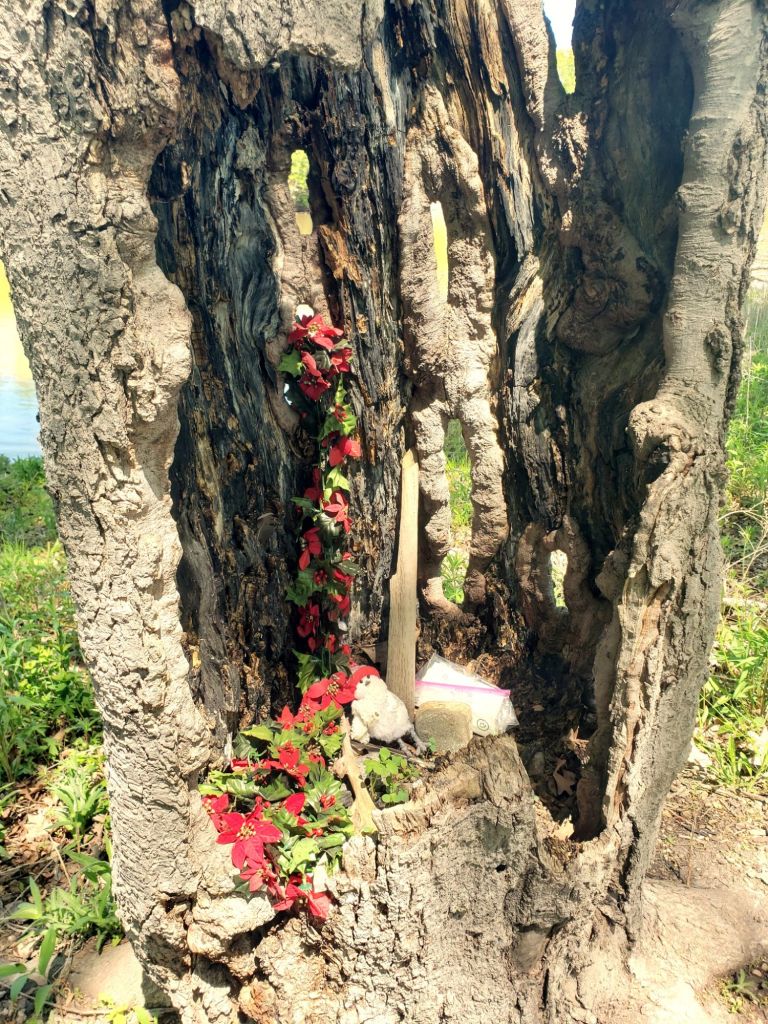
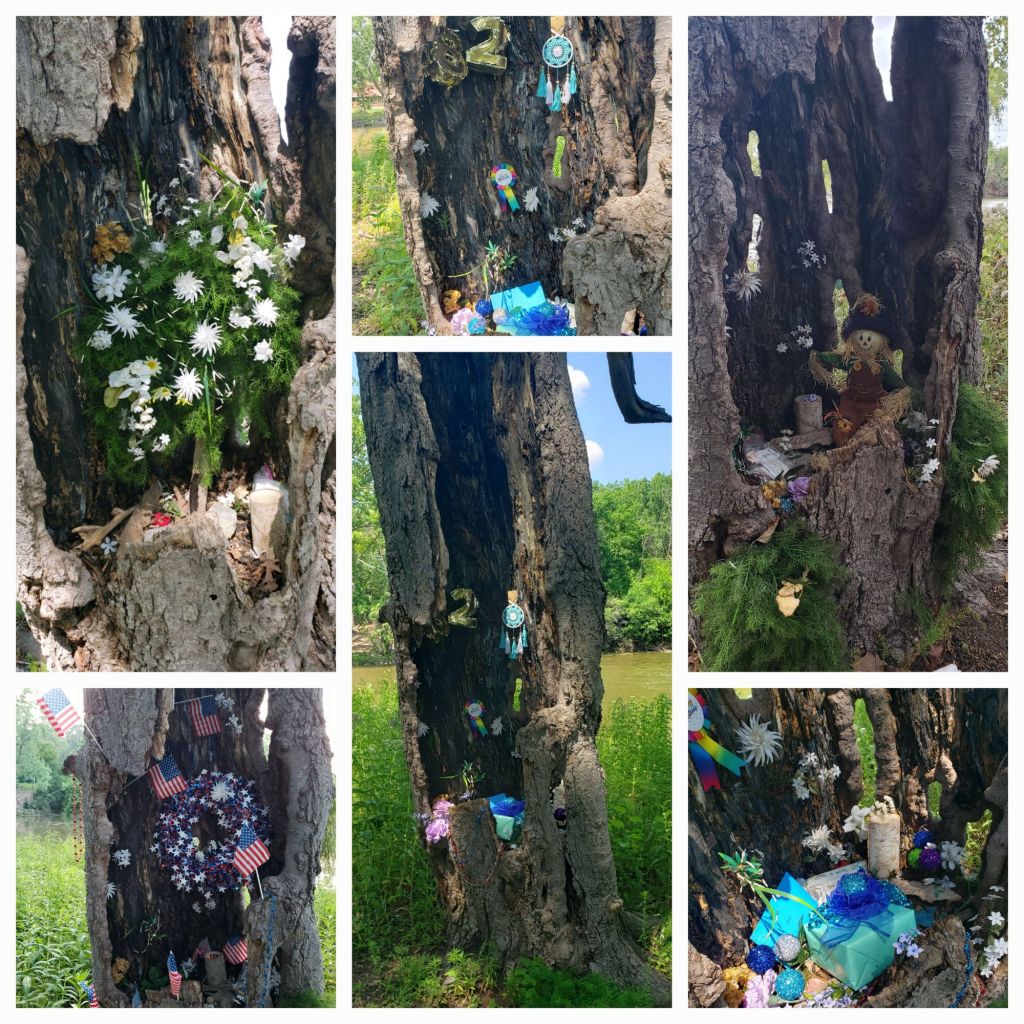
Some years back, Mom discovered a hollowed-out oak at her favorite park near home. Despite years of breakdown and decay at its base, sprigs of new growth stretched up towards the sky, reaching for the warmth and light of the sun, and that resonated with her soul. Mom began leaving little trinkets inside the cleft, and before long, others were leaving mementos and notes, too, and a beautiful rapport was established between strangers. I’m sure that no one knew how important it was to her that they were forming invisible bonds. For Mom, writing notes and letters was vital because she couldn’t spend time in the presence of other people due to her autoimmune disorder. She could take solo walks in nature, though, and here is where she found renewal.
Mom’s Memorial Tree
As interactions between herself and other visitors to the tree increased, so did her elaboration of decor. With every turn of the seasons, she tidied up the old things and added something new and whimsical to the battered trunk.
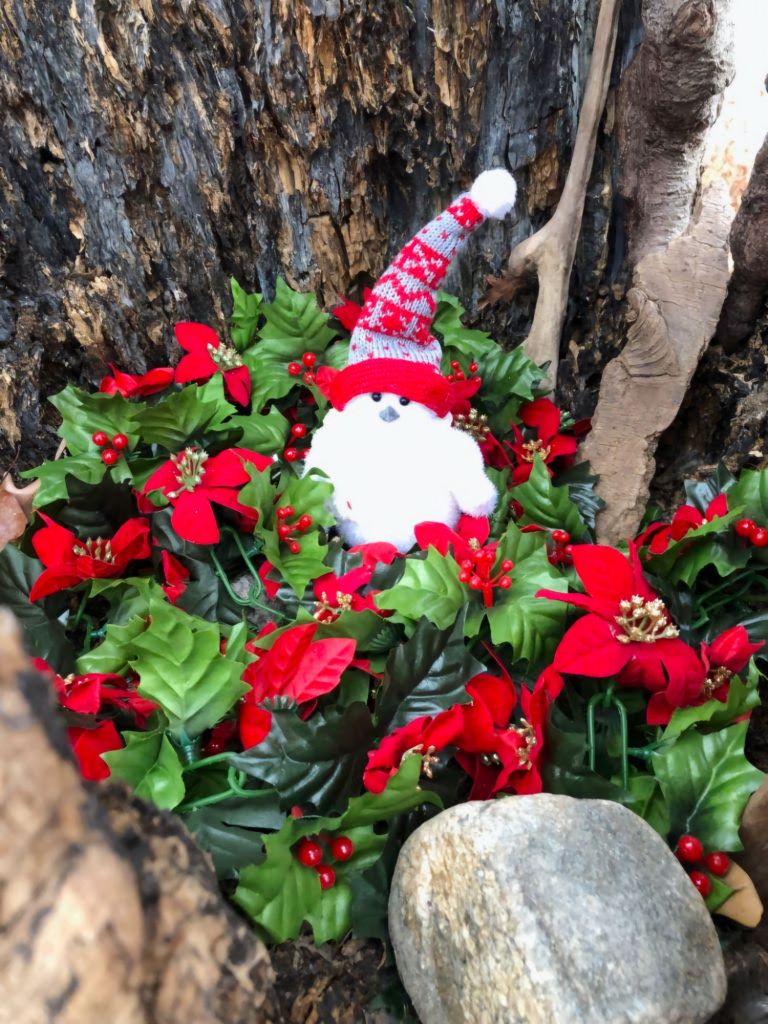
She sent me pictures of her handiwork via text but never said exactly where the tree was located in the 84-acre wooded park. This was the picture she sent to me in December 2022, during her final outing when she visited the tree for the last time and decorated it for the yuletide.
Mom’s last decoration
When things settled after Mom’s death in April 2023, I set out to find her tree, and with a little help from the guiding spirit, I came upon it, not too far from a walking trail, but looking a bit disheveled after five months of neglect.
Mom’s tree, looking a bit disheveled in May 2023
It was truly delightful to discover her special place. I cleaned everything up, read all the notes, and came back the next day with fresh flowers and trimmings.
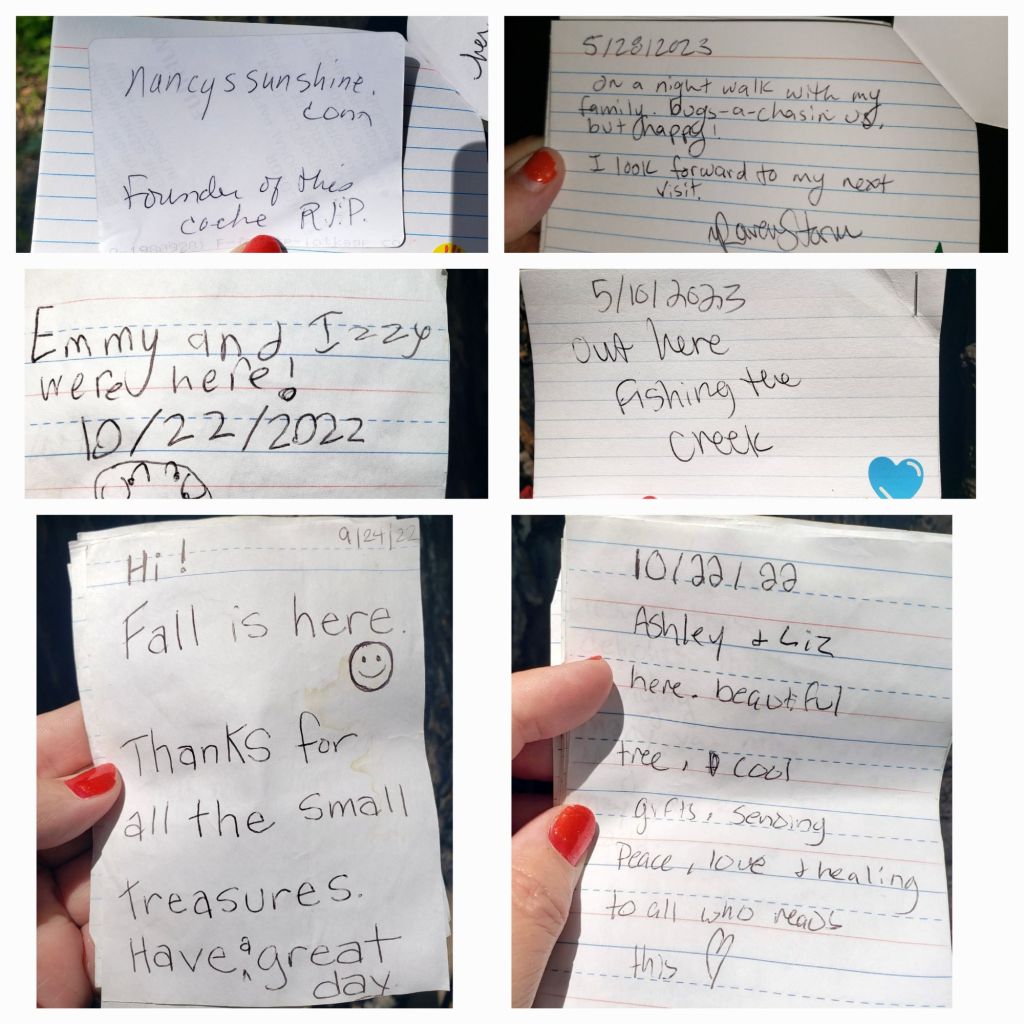
Strangers bonding through their mutual recognition of resilience.A few more notes between unseen friends at Mom’s tree.
I have been returning periodically to refresh the decor. This spring, I found that several dozen trees were cut out of the area to make room for trail improvements. I braced myself for the possibility that Mom’s tree might have been taken down with the others, but happily, it’s still standing.
Changes for the seasons 2023: spring, Independence Day, Mom’s 82nd birthday, and autumn.
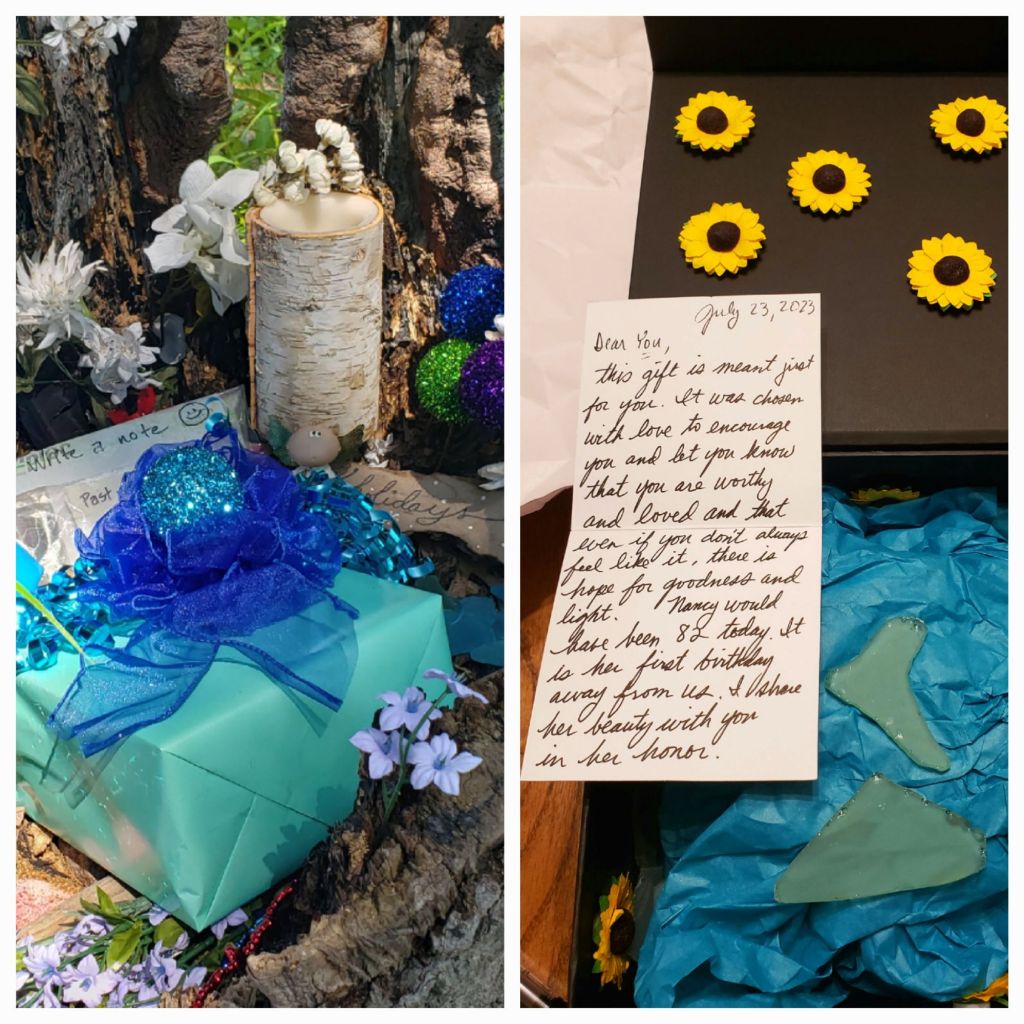
On Mom’s birthday, I brought a gift and left it for whoever felt the need to take it. That would have been how Mom would have loved a gift to be shared. I kept going back to check on it, and four months later, nobody had taken it. The box itself was full of goodies and even included $60 cash. No one ever took it, so I brought a friend to the tree whom I knew to be in a hard place in their life and offered the gift to them.
Gift for whomever needed it, in honor of Mom’s first birthday in heaven.
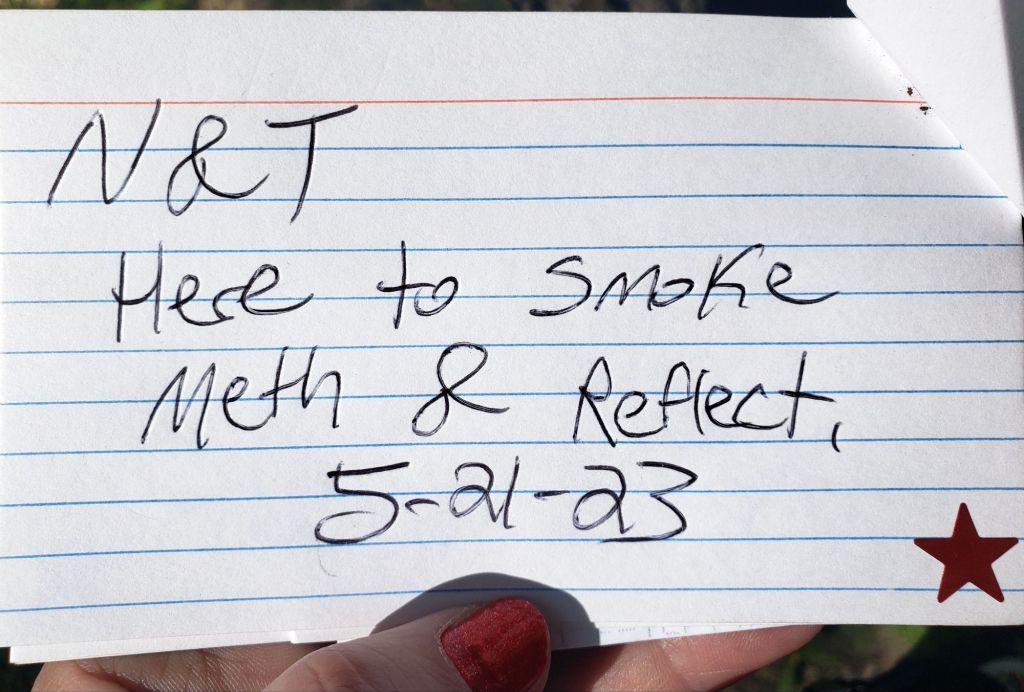
Someone left this note, which has given our family a reason to send healing thoughts and prayers for their safety and well-being. I hope our readership will also send warm, loving, and healing energy to these folks and all their loved ones as well.
Someone to keep in our thoughts and prayers.
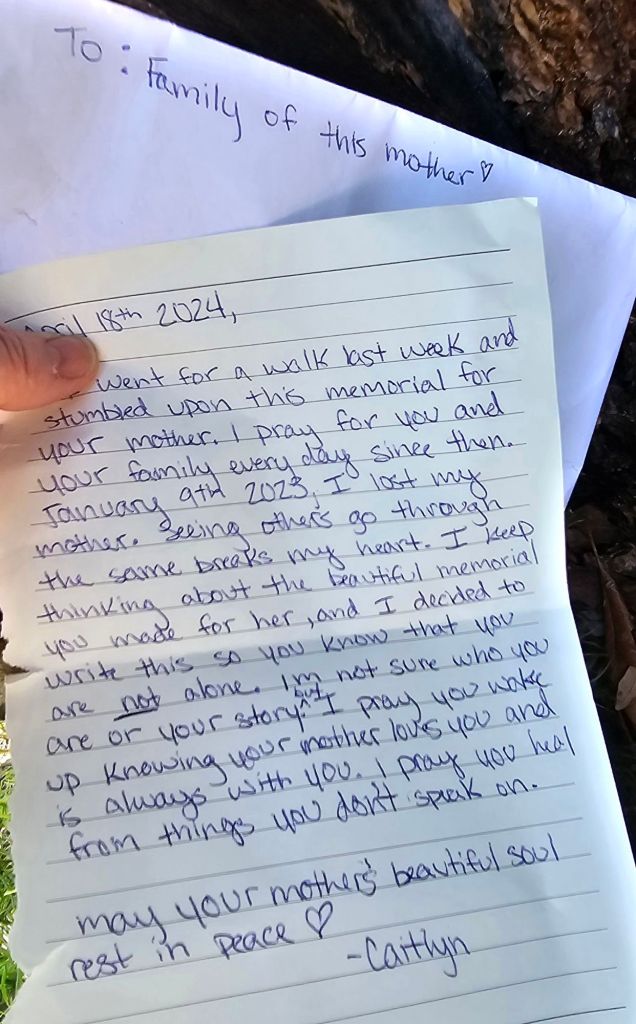
Today was the most lovely spring day to go out for a long, meandering bike ride. The sun was shining, temperatures in the mid-50s, with a light southerly breeze. I took my time going about twenty miles and stopped in by Mom’s tree to see what was new. How wonderful to find this letter addressed “to family of this mother“. I can not express how touching this is, and I’m thankful to be the recipient of this altruistic love. It is an extension of Mom’s good work in the world. I hope the park planners will continue to let this old oak flourish despite its broken-down looks. It is a healing place for all.
“The art of medicine consists of amusing the patient while nature cures the disease.”
~Voltaire (1694 – 1778)
The thing with herbal healing that often gets overlooked is its role in providing immediate access to comfort and cures of the annoying little everyday things. How many wasted hours are spent trying to access services or controlled medications when those little rashes or styes could have been immediately addressed with the herbal medicine chest in one’s own home?
My family has always handled these kinds of things without the added stress or delay of “going in.” We keep a supply of herbal medicines for many purposes. The most significant is a group of infection fighters like golden seal, Oregon grape root, olive leaf, wild oregano oil, eucalyptus essential oil, and a patented silver nanoparticle product that has been confirmed safe by the FDA because it does not lead to the build-up of toxic silver levels in the body the way that colloidal silver does (Olerich, 2009).
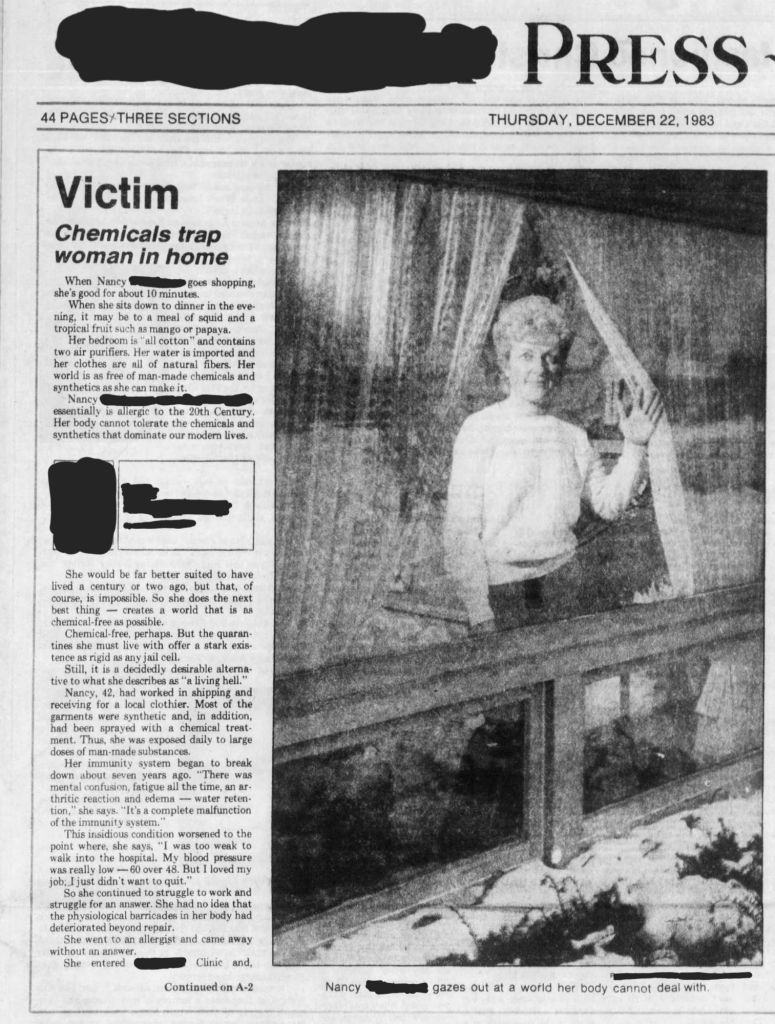
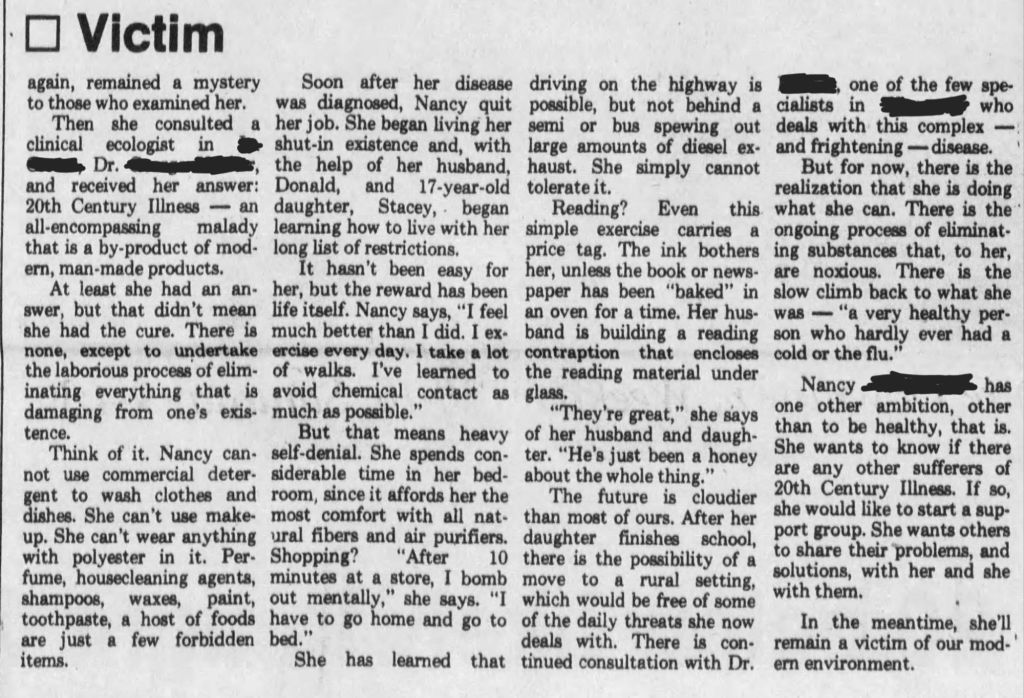
When you want to tackle an infection without antibiotics, it requires a hard-hitting approach. You must use multiple naturopathic anti-infectives, alternating them every hour until the symptoms break, then continuing to take them three-four times a day for a good week to ten days. It’s a hassle of its own kind, but one that our family and Mom’s clients found more palatable than waiting in pain for an appointment and having our immune systems challenged by over-use and side effects of antibiotics. This is especially important to people like Mom who suffer from systemic candida overgrowth and / or non-alcoholic liver disease. In Mom’s case, long-term workplace exposure to industrial and salon chemicals destroyed her liver, immune system, and ability to tolerate other common substances like food dyes and additives, perfumes, synthetic fibers, or household cleaning products. Today’s term for the condition is multiple chemical sensitivities. Mom turned her home into a toxin-free haven and at its worst, she stayed inside for months on end, much like David Vetter (1971 – 1984), who became known as The Bubble Boy due to his genetic condition called Severe Combined Immunodeficiency.
Article about Mom in local newspaper, 1983p. 2 of news article
Mom was diagnosed with only a five percent liver function in 1982 – 1983. With a compromised liver, individuals often have difficulty metabolizing drugs. Inadequate drug excretion and persistently elevated serum drug levels can lead to drug toxicity and further damage to the liver and other vital organs (Rowden, 2023). This illustrates the importance for some people to have safe alternatives to drugs when dealing with everyday health concerns. Of course, we know that the liver is a regenerative organ that can regrow even after 90% of it has been removed (Reynolds, 2021). Mom worked tirelessly for the rest of her life to reduce further liver damage (through avoidance of toxins) and to support her body nutritionally to rebuild liver function. For her, the herbal medicine provided more than just a treatment path for everyday ailments but a total nutritional approach to feed her body the micronutrients that could support self-healing. Evidence of the efficacy of her approach is in the lab results over time. Without prescriptions, and in her own home, after leaving the hospital against medical advice in 1983, her liver enzymes and other functional lab results went from lethal levels to a partly normalized status, which allowed her to live another forty years, albeit with serious restrictions.
Using Mom’s principles and knowledge of other herbalists’ teachings, I too have successfully treated varicose veins, full-blown mastitis, mild UTIs, stomach issues, hernias, pink-eye, cuts and bruises, anemia, and many other things for myself, the kids, pets, friends, and my own clients in a perinatal clinic. I’m not claiming any status here; it’s the opposite. The stories demonstrate that each of us can go to our own plant medicines and pick out what will help for many things without having to engage with the broken parts of the medical system for non-emergency situations.
Mom disengaged from the medical system because it reached a point where no further help could be offered for her autoimmune disease, and the experimental, “last resort” drugs were known to cause more harm than benefits. She did not live a risky existence for injuries and severe illnesses like heart disease, diabetes, or cancer, so she did not have to rely on medicine for many things, but she did occasionally need its help, such as for thyroid medication in later life and to remove her gallbladder when it was over-wrought with painful stones.
That is the beauty of self-directed, home-remedies as basic first-line healthcare. We can use the accessible plant medicines for the things that are less serious or beyond medical help and turn to allopathic medicine for things that do not respond to or should not be handled by home remedies. There is a surprisingly long list of things that can be helped on our own. The two drawbacks I’ve experienced are taking herbal treatments before seeing a medical doctor, which sometimes reduces symptoms and prevents the physician from identifying the problem -or- the plant medicine is contraindicated with the proposed drugs and a decision about stopping the herbs vs. not starting the drugs has to be made.
I spent the past several weeks combing through archival materials about ancestral midwives and found that herbal and home remedies used before the Modern era were effective for treating severe conditions beyond simple maladies. Ancestral healers treated their neighbors’ and friends’ serious issues with little more than the local plants of their regions. One midwife, an African American woman who went by Aunt Mary Ann Menard (née Labuche) (ca. 1767 – 1833) was knownto use herb teas to cure people who were beyond the help of local surgeons. She is known for saving the life of her granddaughter, who was brutally assaulted in infancy with a resultant skull fracture and exposed area of her brain. Aunt Mary Ann covered the wound with a silver coin, nursed her through the injuries, and the child lived to her 80s. She wore a little protective cap over the hole in her skull for life (Milwaukee Sunday Journal, 1925).
Does this mean today’s medical methods are wrong? No, indeed, they’re part of a necessary, multidisciplinary approach to sickness and wellness. Modern medicine is especially effective in dealing with acute trauma and certain well-understood diseases. But as long as there are medical mysteries, barriers to access, and extreme adverse effects of certain treatments, we need adjuncts and alternatives. The key is in knowing which things need urgent high-tech attention vs. time, comfort, and nourishment.
One of the tenets of plant medicine is that it offers micronutrients that foster the body’s ability to self-correct. I love the Voltaire quote, “The art of medicine consists of amusing the patient while nature cures the disease.” It’s also important to be clear about when to shift strategies in either direction. That’s achieved by having a planned if/then decision flow with contingency steps. If the UTI symptoms persist more than 24 hours after starting home treatments, then we will call the general practitioner. If the oncology team says they can offer only palliative measures, then we will look into plant based cures and support. If the wound is bleeding out, then we will skip home remedies and seek emergency services. If the wait for treatment is many days, then we will initiate something at home while waiting.
Of course, I come to these ideas from a standpoint of privilege; I’ve been blessed with education, housing, sanitation, high quality herbs, health and herbal training, people who shared their knowledge, etc. Someone with fewer resources may not have the same results. Those of us who can, should share the knowledge and resources, and all of us should have an herbal medicine kit at hand and be trained on how to use it. Stay tuned for part II, where I’ll discuss products to keep in stock at home.
—–
References
Milwaukee Sunday Journal. (1925, November 29). Woman first state “doctor”: Settlers long healed by herb remedies of Aunt Mary Ann.
Olerich, Karen. (2009). Silver shield with aqua sol technology: Are you confused about colloidal silver? A Renewed Health. Colorado Springs, CO.
The road map of parental death turned out to have inconsistencies with the actual road.
~Stacy V.
This site began as a way to honor mom’s legacy and share her naturopathic healing wisdom. In the year since she departed, I envisioned that monthly or even bi-monthly posts would be inspired while combing through her belongings and tending to her affairs. When the reality of her death set in, ensuing chaos was anticipated; a vaguely familiar road map from prior experience of family losses was in my mind, however ethereal it seemed. But the year has not proceeded in linear fashion–of course it did not–and I find myself frustrated that her tangible presence has slipped away without more than a handful of writings. She would be pleased, I’m afraid, since she was a private person who did not embrace current day trends towards public story-telling and media attention.
The road map of parental death turned out to have inconsistencies with the actual road. An unforeseen hospice enrollment morphed into a rapid demise, followed by a flurry of funeral planning and management of immediate needs. Her posthumous impact and unseen hand on my life have been felt differently than imagined. There has been little combing of belongings and even fewer safe opportunities to emote over her departure. Her funeral was held off by a few weeks to allow for family participation. After writing thank you cards and carrying out the instructions of her will, we were well into June when I enjoyed a small respite by celebrating my grandchild’s and my own birthdays with some long drives in mom’s zippy little Chrysler Crossfire. I find meandering treks on my bicycles more enjoyable than car rides, but driving her little car created a sense of bonding. As an autoimmune sufferer, she could not go to public events and gatherings to enrich her life, so she took drives in her sporty car with the music turned up high.
But June festivities intersected the July news that my long-time housemate and companion was riddled with Stage IV, metastasized cancer, and the size and speed of that highway overrode whatever else could be done to make headway on the road that I was on. One of the hard sayings of Jesus was, let the dead bury their dead. It’s a hard saying because it feels callous to dismiss loved ones who are no longer with us. But it is a true and helpful spiritual sentiment because our duty is to the people that are in the here and now. Once our loved ones cross the threshold, the spirit that animated their flesh is in the hands of Creator; we are inept to do anything more for them and a faithful person must accept that loved ones are in more capable hands than we can dream of. Let the dead bury their dead it’s time to put our life force to the needs of the living. For me, that means tending to my companion’s health struggles, and that is how I’ve spent the past eight months. Their journey is a story for a different set of posts; suffice it to say that it has been a difficult ride for us both.
Mom was the single most consistent, loving helper, sagely guide, and prayer-angel in my life. I’ve not had the fortune to be well-cared for by a partner. I am blessed with friendships that are mutually uplifting, but the comfort, love, and vested commitment of a peer has not been my experience. My companion was sickly long before the cancer diagnosis, and they can not show up as an equal while pushing their rock up a hill every day. The closest I’ve had to an experience of invested love is Mom’s continual devotion to the goals and well-being of my children and I. It does not feel good to let go of writing her story, and I won’t stop altogether, but the pace is much slower than expected.
Her life was cut off too early; her grandmother and mother both lived to ninety-eight. At eighty-one and physically healthy despite autoimmune disease (AD), Mom might have shared another fifteen years with us. I say that because I discovered after her death that something was slowly poisoning her at home, which caused the onset of symptoms that she believed was her AD flaring up. She was sure that the methods she had successfully employed for forty years to mitigate flares were no longer effective, and that meant it was time to walk on. In reality, a silent killer was filling her home and making it impossible to feel ok. Intuitively, I sensed that AD was not the culprit behind her rapid and hard-to-pinpoint demise. At Christmas 2022, one of my gifts was a two-pack of Co2 detectors because I wondered if something in the home was behind it. But Co2 was not at play. On October 31, 2022, she had a new gas-powered water heater installed, and three days later, a new gas furnace. She complained that the plumber who installed the water heater had cut some corners; her cousin also used the same plumber in mid November 2022 and had major water damage following the failure of a faultily installed pipe. When the HVAC team came on the third of November, she had them correct a small but annoying installation issue with the condensation hose that she noticed on the water heater. What she didn’t notice was that the connections between the gas line and water heater were leaking unburned methane. Since Mom was hypervigilant about volatile organic compounds (VOCs) like those emitted by adhesives and plastics, she installed two large HEPA air filtration devices in her home to counteract the effects of VOC off-gassing from the new appliances. However, I reached out to the engineering teams at our local gas utility provider, and at the air filter manufacturing facility and they both confirmed that HEPA filters remove the large molecules of a sulpher-based additive that warns people of natural gas leaks by creating a rotten-egg smell. But, HEPA filters do not remove the gas itself, which is made up of tiny molecules.
It wasn’t until after she died that I turned off the filters and the furnace, only to reenter and be overwhelmed by the familiar rotten-egg odor permeating the house. A visit by the HVAC team confirmed my guess, and the pipe was repaired, but it was too late to help Mom. It doesn’t feel right or in any way honoring to let go of tending Mom’s affairs, yet my friend, who is alive and right here in my life, has pressing needs that cannot be ignored.
This is an expose on detours. Mom’s life was detoured as has been the life of my companion and my own.This new territory is in an entirely unfamiliar landscape. Without the help of the old maps, it’s time to make big, blind decisions that will involve temporary if not lifelong upheaval, and it’s time to hunker-down and steer. I sometimes feel Mom’s unseen hand on my life. Memory of her ways has certainly guided and provided naturopathic insights that are helpful for my friend. I recall what she taught about clients who were beyond medical help and have been applying those methods for my companion’s sake. With their comorbid conditions, the oncologist determined they were too weak to withstand chemotherapy. The plant medicines, which Mom taught as being put here by God as help for all diseases, have indeed helped tremendously. Since July, my friend’s quality of life and life expectancy have improved by admission of their oncologist; lab results, scans, and outward appearance are normalizing and by their own observation, things are looking up. The cancer is receding without chemotherapy. There will come a time to publish that story, but this is not it. For now, I will sign off in gratitude for Mom’s help with this. She believed wholly in the unseen energies to heal, whether by vibration or subtle chemical makeup. Maybe the plant medicines for my friend are just a vehicle of hope while Creator and Mom do the real work of healing. Nonetheless, I am grateful for those hidden GPS-style guides, even if I do not yet have the high-tech plug-ins to visualize the process and understand the steps. Peace, respect, and belonging to you all.
Pleasant words are as an honeycomb, sweet to the soul and health to the bones ~Proverbs 16:24
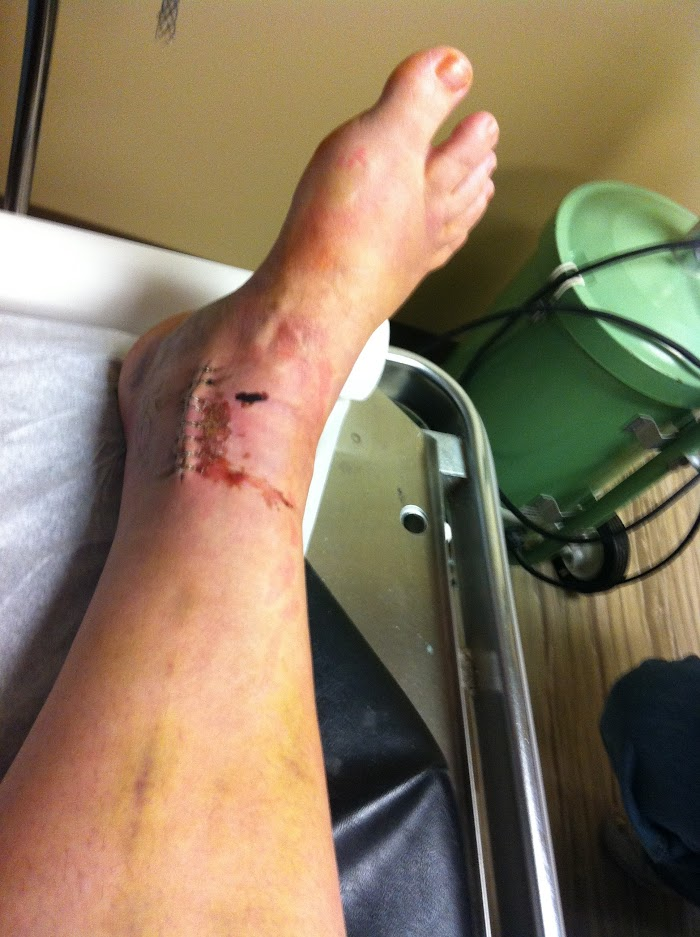
In 2012 I had a bicycling accident that resulted in compound dislocations and fractures of my tibia and fibula requiring an open reduction internal fixation (ORIF) surgery the same day. Fortunately, the injury was not extremely painful, and quality orthopedic care was accessible.
Content Warning: photos of dislocated and fractured limb and post surgical scars.
While sorting through Mom’s papers this week, I came across the program that she wrote up for my recovery. Here is what she recommended, and what I felt to be helpful in healing quickly and completely. I have an acquaintance who is a long-time orthopedic nurse that came to the hospital to see me while I was recovering. She’s one of those people who is always razzing others, and she was sure to point out that I should expect my leg to look like a stump for the rest of my life. But with the help of Mom’s healing recommendations and diligent physio-therapy, the inflammation completely dissipated, bones healed, and definition returned to normal within three months, and I have not had any episodes of pain, swelling, or aches in the area since it healed.
Nutritional Helps
Increase daily calories: inflammatory processes put increased metabolic demand on your body and more nutrients are needed to act as substrates to rebuild tissues. The severity of injury dictates the increased energy needs: “long bone fractures…may increase your basal metabolic rate by 15-20% over the course of several weeks. If your basal metabolic rate is 2,000 calories a day, that’s an extra 300-400 calories…” (Schlag, 2014).
Increase protein: both animal and plant-based proteins are beneficial. Feskanich, et al. (2004) found that consuming fish at least once a week was associated with a 33% reduction in the risk of hip fracture and Papadimitropoulos, et al. (2002) found dietary protein intake to hold an important role in growth, development, and maintenance of bone.
Increase green vegetables: which are high in absorbable calcium and vitamin k1, both of which are known for their roles in bone health and repair (Sim, et al., 2020).
Consume raw local honey: which decreases inflammation, helps form new collagen, reduces swelling, and is clinically proven to promote healing when applied directly to wounds. Additionally, consuming honey increases the absorption of calcium, improves bone density, and provides pain relief (Ooi, et al., 2014, Tashkandi, 2021). Mom’s notes quote Proverbs 16:24 “Pleasant words are as an honeycomb, sweet to the soul and health to the bones.”
Things to Avoid
Avoid alcohol: Some people point to the barley in beer providing silicon to help bone healing, however, consuming two or more alcoholic drinks per day can have a negative impact on bone health by impairing the body’s ability to produce new bone cells known as osteoblasts. Alcohol can delay healing, increase the risk of complications, and interfere with pain medication, making it more difficult to control pain. (Cathy, 2022).
Avoid smoking: Hernigou and Schuind (2019) report that smokers have an increased risk of fracture and experience more complications with delayed bone healing, even if they have already stopped smoking, because some adverse effects persist for a prolonged period.
Avoid pain medications: Coluzzi, et al. (2020) describe negative affects on bone remodeling and bone healing in animals exposed to opioids like morphine and fentanyl. Try to use other methods of pain relief such as alternating ice and heat, reducing inflammatory foods, ointments, relaxing baths, massage, and essential oils of lavender, frankincense, or cbd lotion. If opioids are necessary, keep their use to a minimum and rely on other methods between doses. For myself, my mood was negatively impacted by the post-surgical use of opioids, and I opted to forego them after the third day.
Vitamin Supplements
Chelated calcium and magnesium citrate: this will help with bone healing but also improves problems with teeth, muscle spasms, tendonitis and nervousness. Take three capsules once or twice per day for the first six weeks after injury, then reduce to one per day or a directed on the package.
Increase Vitamins C and D3: in a systematic review of eleven animal studies Barrios-Garay, et al, (2022) report that vitamin C (ascorbic acid) seems to accelerate bone regeneration without adverse events as measured by bone healing time, bone gain (mm) and bone density. 75-90 mg per day is recommended during recovery. Smokers should consume an additional 35 mg per day because of the increased oxidative stresses (Hart, et al. 2015). Aeschlimann (2011) and Gatt, et al. (2022) reported that while vitamin D3 is important for prevention of bone fractures, it does not consistently improve measures of bone healing in humans. The benefit of vitamin D3 supplementation following a fracture lies in prevention of further fractures. A wide variety of doses were used in the study populations including large single doses at the time of fracture, and daily doses between 700 to 1000 IU. None of the dosing methods were more effective for bone healing or growth.
Green Supplements
Barley Juice Powder: contains silica, an important trace mineral that has been shown to affect connective tissue such as collagen and the growth and mineralization of bone (Goldschmidt, n.d.). Two capsules, three times per day or one-two “shots” of fresh juice per day.
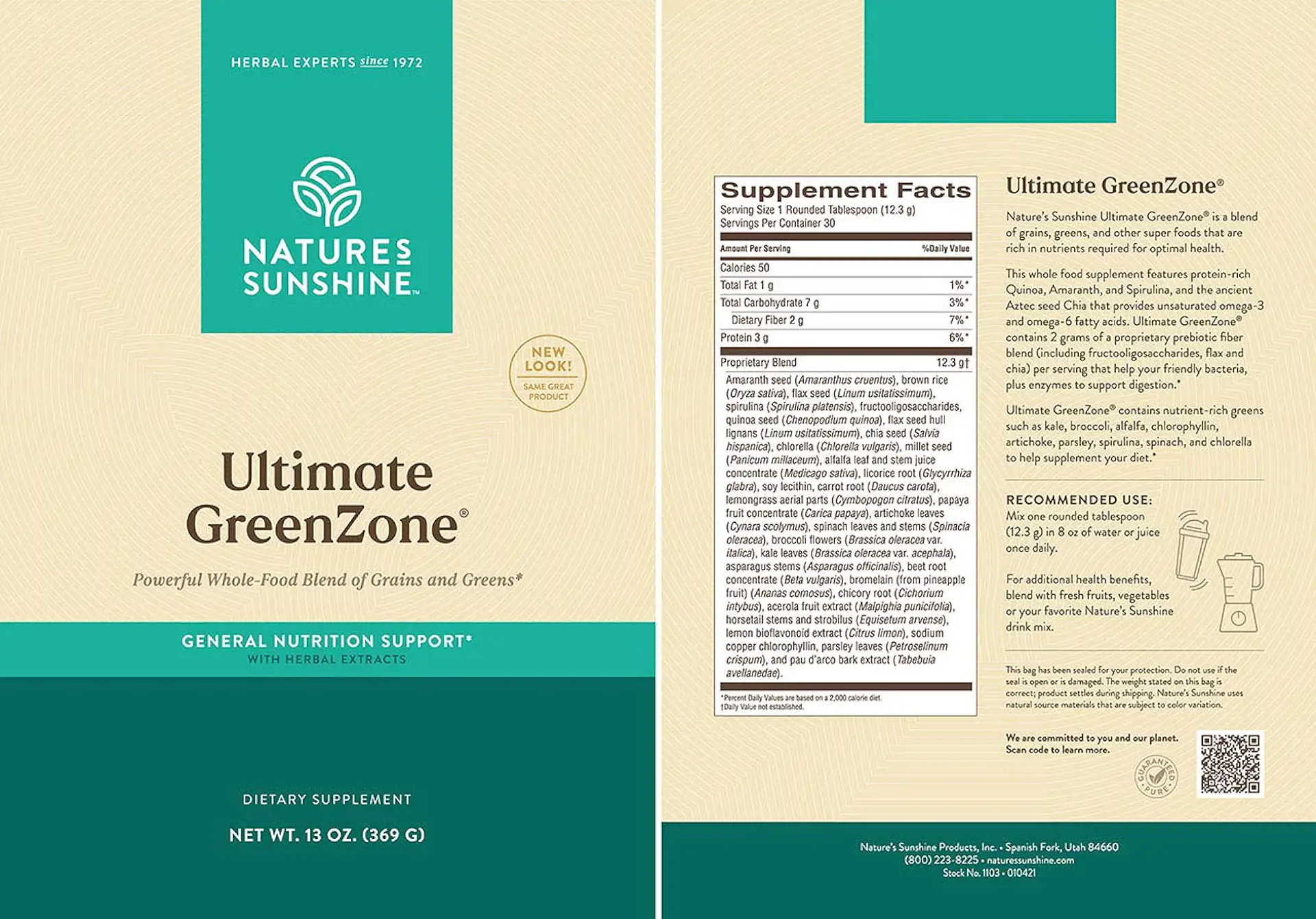
Nature’s Sunshine Products Ultimate GreenZone® Powder: a whole-food blend of grains, greens, and super foods featuring quinoa, amaranth, spirulina, chia, spinach, broccoli, kale, parsley, and horsetail. These super foods contain 25-30 times the calcium of milk per serving. Mix it with juice once a day. (See footnotes for navigational instructions at NSP website.)
Green supplements can also help with nervousness, hepatitis, and liver problems.
For Pain
Nature’s Sunshine Products Joint Health Ayurvedic Formula: authentic Ayurvedic formula, developed with herbs direct from India, and true to the Ayurvedic philosophy of restoring balance to the body. This formula contains herbs traditionally used to support joints and the structural system. Recommended to take two capsules with meals, three times a day (See footnotes for navigational instructions at NSP website.)
For Nerves and Relaxation
Blue Vervain Liquid Tincture: serves as a gentle help for debility and weakness. Traditionally used as a nervine (nervous system tonic) and is effective at easing bodily nervous tension such as stiffness in the back, shoulders, neck, etc., with a slight sedative effect. Helps the body release pent up energy and relax (Carpenter and Carpenter, 2015). Take a few drops under the tongue once per day.
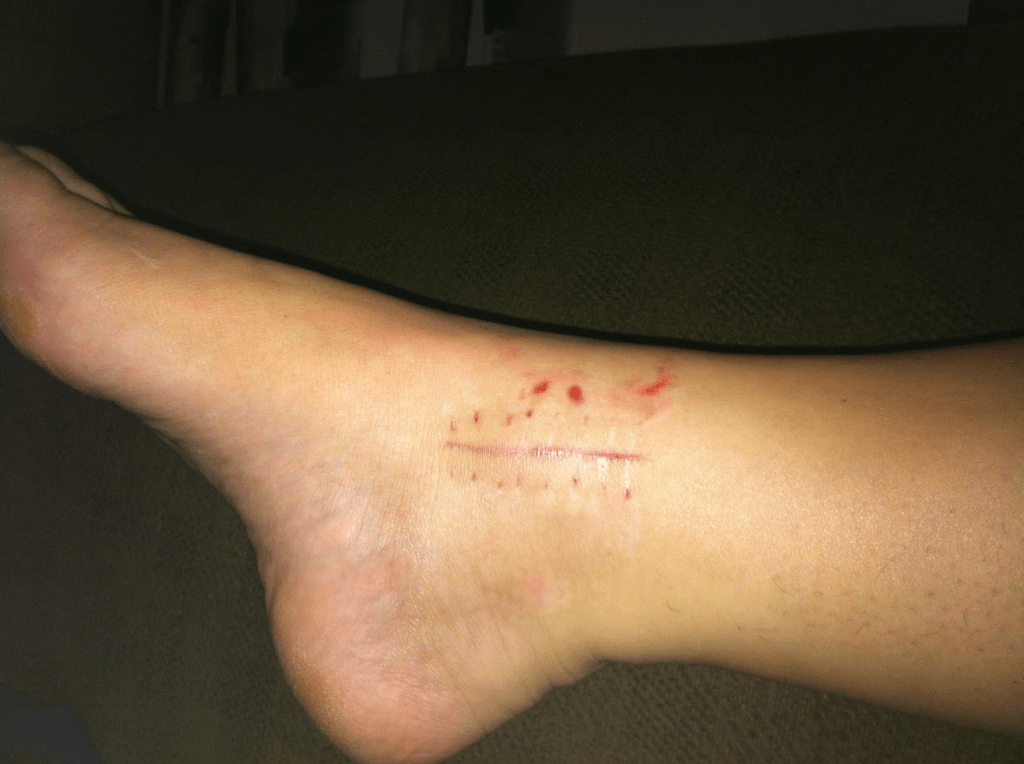
Here are two pictures of my ankle after the cast was removed:
Six weeks post-op, day of cast removal, medial ankleSix weeks post-op, day of cast removal, lateral ankle
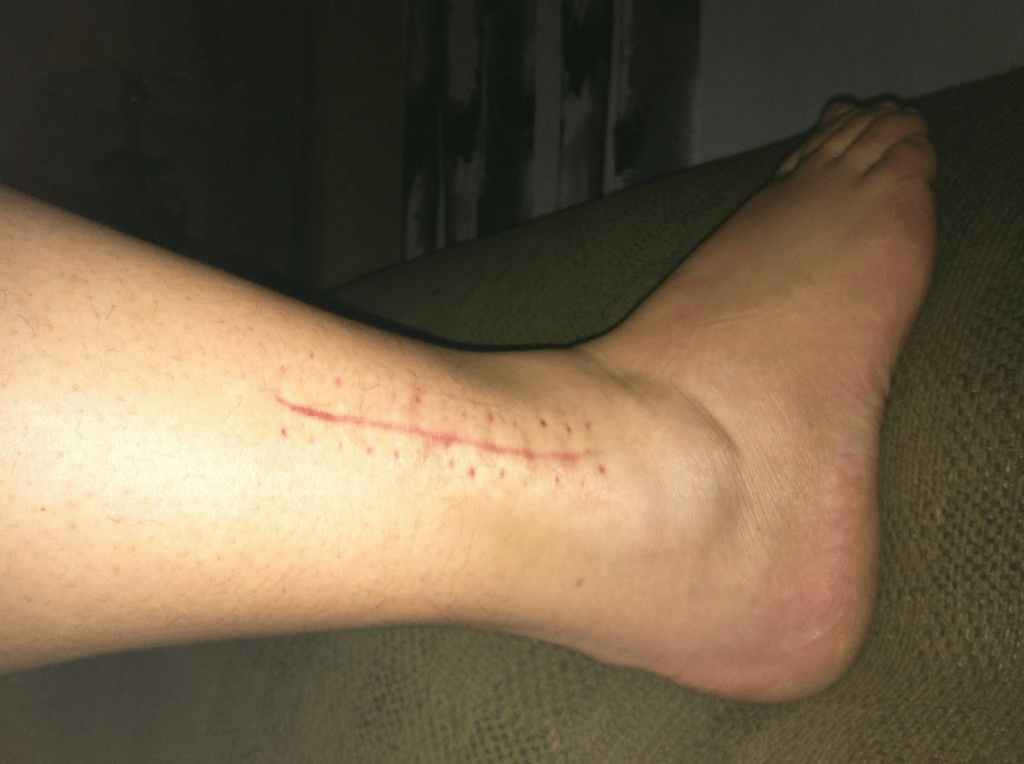
And here it is three months after the cast came off:
Three months post-op, medial ankleThree months post-op, lateral ankle
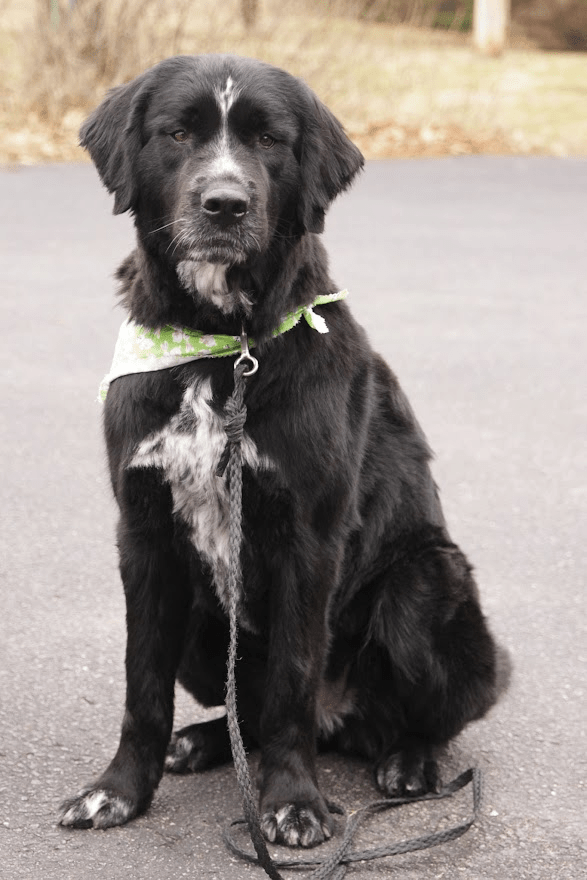
One of the best pieces of advice from Mom and a point of pride that she expressed about my healing journey from injury and surgery, was to keep a positive outlook. The timing of this injury could not have been better in regards to my life-status. Stress was lower than it had been at other times, social supports were in place, and I had recently adopted a beautiful Newfoundland puppy from our local shelter, who was such a dear girl to have join our family. Despite the events, I was able to focus on healing with joy and laughter. Mom always said that our hurt and sickly body parts can sense the way that we feel and talk about them. If we continually refer to our “gimp leg”, or that “bad knee”, it becomes a part of who we are and how that body part responds. By keeping our words as pleasant as honey, we encourage the subtle energies around those issues to respond with kindness in return. Instead of complaining about the bone break and surgical recovery, I found ways to talk about it with positivity by saying things like “my ankle is really growing stronger day by day“, or “it hurts at times but I can feel the bones and tissues knitting themselves back together just like they should.”
Daisy: RIP 2011-2021
Footnotes:
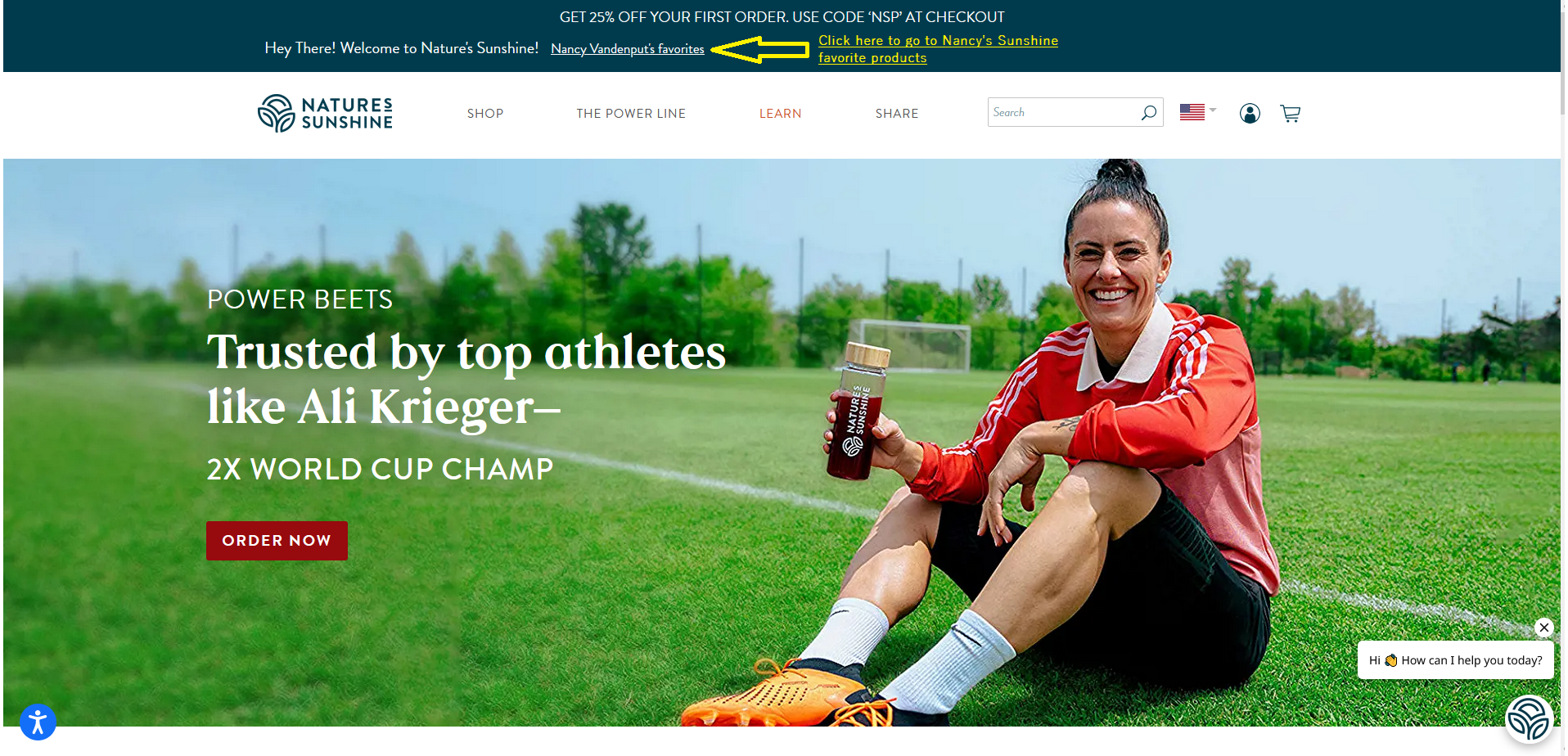
After clicking the product links for Nature’s Sunshine Products listed in this post, navigate to the “favorites” link in the banner to find the specific products.
How to order Nature’s Sunshine Products listed in this post
Citations
Barrios-Garay, K., Toledano-Serrabona, J., Gay-Escoda, C., & Sánchez-Garcés, M. Á. (2022). Clinical effect of vitamin C supplementation on bone healing: A systematic review. Medicina oral, patologia oral y cirugia bucal, 27(3), e205–e215. https://doi.org/10.4317/medoral.24944
Coluzzi, F., Scerpa, M. S., & Centanni, M. (2020). The Effect of Opiates on Bone Formation and Bone Healing. Current osteoporosis reports, 18(3), 325–335. https://doi.org/10.1007/s11914-020-00585-4
Eschle, D., & Aeschlimann, A. G. (2011). Is supplementation of vitamin d beneficial for fracture healing? A short review of the literature. Geriatric orthopaedic surgery & rehabilitation, 2(3), 90–93. https://doi.org/10.1177/2151458511408568
Feskanich D., Willett W., & Colditz G. (2003). Calcium, vitamin D, milk consumption, and hip fractures: A prospective study among postmenopausal women. American Journal of Clinical Nutrition, 77(2):504–511. [PubMed] [Google Scholar] [Ref list]
Hart, A., Cota, A., Makhdom, A., & Harvey, E. J. (2015). The Role of Vitamin C in Orthopedic Trauma and Bone Health. American journal of orthopedics (Belle Mead, N.J.), 44(7), 306–311. https://pubmed.ncbi.nlm.nih.gov/26161758/
Hernigou, J., & Schuind, F. (2019). Tobacco and bone fractures: A review of the facts and issues that every orthopaedic surgeon should know. Bone & joint research, 8(6), 255–265. https://doi.org/10.1302/2046-3758.86.BJR-2018-0344.R1
Ooi F. K., Hung L., & He Y. (2014). Tibial bone mineral density, geometry and mechanical properties in response to high impact exercise and honey supplementation in rats. Asian Journal of Exercise and Sports Science, 11(2):11–24. [Google Scholar]
Papadimitropoulos E., Wells G., & Shea B., et al. (2002). VIII: meta-analysis of the efficacy of vitamin D treatment in preventing osteoporosis in postmenopausal women. Endocrine Reviews, 23(4):560–569. doi: 10.1210/er.2001-8002. [PubMed] [CrossRef] [Google Scholar] [Ref list]
Sim, M., Lewis, J.R., Prince, R.L., Levinger, I., Brennan-Speranza, T.C., Palmer, C., Bondonno, C.P., Bondonno, N.P., Devine, A., Ward, N.C., Byrnes, E., Schultz, C.J., Woodman, R., Croft, K., Hodgson, J.M., & Blekkenhorst, L.C. (2020). The effects of vitamin K-rich green leafy vegetables on bone metabolism: A 4-week randomised controlled trial in middle-aged and older individuals. Bone Reports, Volume 12, 100274. https://doi.org/10.1016/j.bonr.2020.100274.
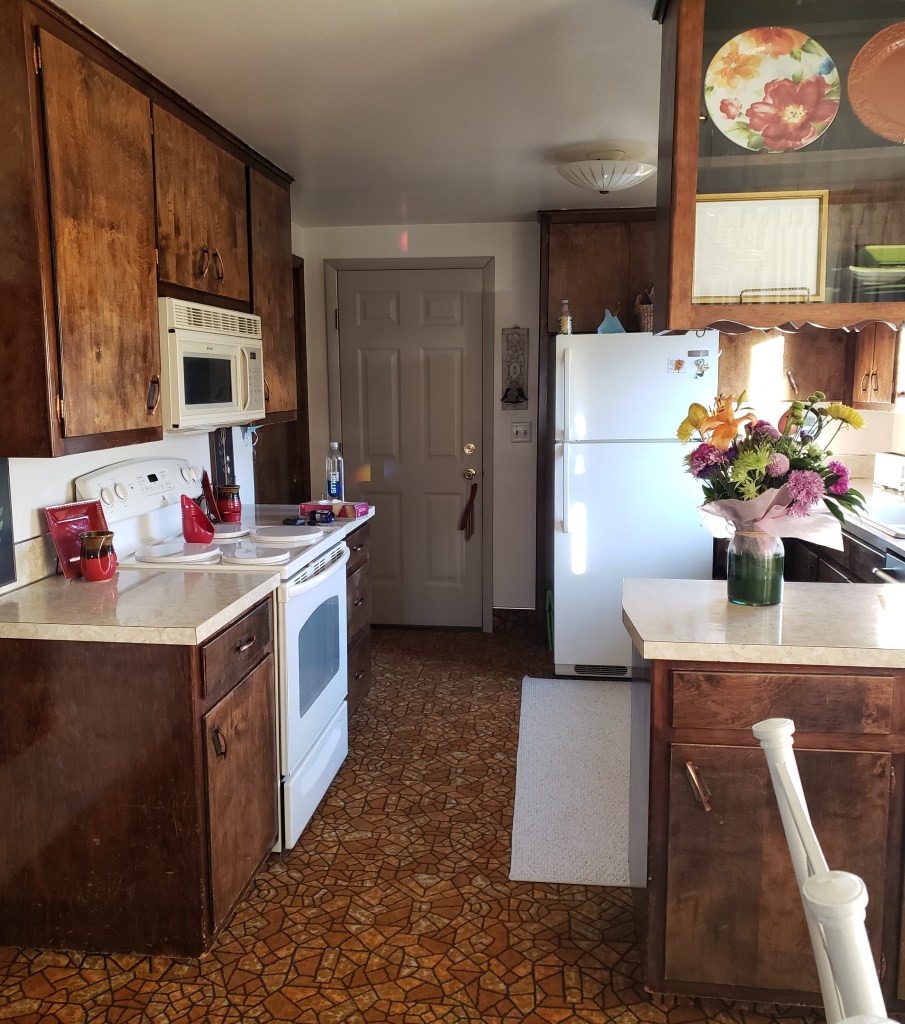
Yet here’s proof that forty-plus years of homemade meals in this kitchen could be made without so much as a smudge, and that represents the care by which Mom tended her every endeavor.
In addition to her role supporting others who suffered with autoimmune disorders, multiple-chemical sensitivities, allergies, cancer, and other difficult-to-manage health conditions, Mom kept an immaculate home which was necessary to reduce allergens and help her belongings last as long as possible to avoid the need to purchase new items that would go through an off-gassing process. Off-gassing is known to materials experts as a complicated issue involving airborne toxins emanating from building materials, furnishings, cleaning products, car interiors, computers, and other household items (Gray, 2020).
Before Mom became ill in the late 1970s, a salesperson who sold her the iconic, orange and red mosaic carpet that still lines her floors, said that the best way to make the carpet last was to keep it as clean as possible by vacuuming often because dirt particles will otherwise embed in the fibers and wear off the pile. The vacuum-often theory is supported by carpet experts like Mary Warren, who wrote on LinkedIn about how Dirt Damages Carpet Fibers Over Time, and can be seen in the long-lasting quality of Mom’s retro carpets. By the time of her diagnosis in the 1980s, the carpet was off-gassed so keeping it intact presented less of a threat than removing and replacing it with hardwood, which would have caused another off-gassing event. Even her bedroom carpet, which was moved from the living room to avoid adding new products to her sleep space, is in good condition despite being the original floor treatment from 1964 when the house was built. I marvel at the pristine condition of the kitchen in particular because Mom cooked most of her foods from scratch and I know from experience that home-cooking creates all kinds of opportunities for big, sticky messes that do not land well on carpeted floors. Yet here’s proof, that forty-plus years of homemade meals in this kitchen could be made without so much as a smudge, and that represents the care by which Mom tended her every endeavor.
Another way that Mom took special care was in the creation of recipes that were palatable while being attentive to exclude allergens and other aggravating contents. Consuming any allergens, hidden additives, or sugars (and even touching some ingredients) resulted in inflammation of the skin and digestive tract including throat, gut, intestinal, and rectal mucosa. Things that did not cause inflammation itself, upset the yeast balance or triggered a SIBO flare. Small intestinal bacterial overgrowth (SIBO) is defined as excessive bacteria in the small intestine and remains a poorly understood disease. It was initially thought to occur in only a small number of patients, but is more prevalent than previously thought. Patients with SIBO often vary in severity of symptoms but commonly suffer from chronic diarrhea, weight loss, and malabsorption (Dukowicz, et al., 2007).
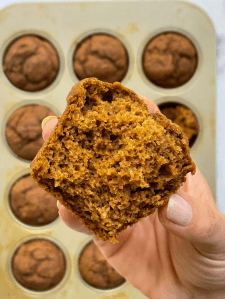
Here is one of my favorite of Mom’s recipes which gave the satisfaction of eating a sweet muffin while remaining safe for her tummy. Mom often used these as a base for sandwiches or toasted them to crumble on top of salads and soups, but she also enjoyed them plain, with organic, grass-fed butter, or with organic goat milk kefir. This picture is not from any of Mom’s batches because she really did not have me or anyone else over to the house very often or to share meals on a regular basis. She was so sensitive to viruses that it was not possible to spend time together even before the Covid-19 pandemic. I pulled this photo from a gluten-free, pumpkin muffin recipe by Kathleen Ashmore who creates healthy recipes that feel good to make and good to eat. While Nancy’s Sunshine is not a recipe blog, sometimes I will share Mom’s recipes to highlight ways that she coped that may have value for other folks with similar health predicaments.
Nancy’s Sunshine SQUASH MUFFINS (in her own words)
3/4 cup water ‐ add 3 tea bags of Mulling spice [R. W. KNUDSEN ORGANIC simmer 5 min., turn off and let steep. Steam ACORN SQUASH needs 3 cups [or other squash to your liking]. 2 ½ cups mixed flours ‐ CASAVA, ALMOND, QUINOA, FAVA [OR ALMOND flour to replace the quinoa or fava] Spices [Simply Organic] 2 full tsp ALL SPICE 1 tsp GROUND CLOVES 2 tsp GARAM MASALA 1 tsp TURMERIC 1 TBSP VANILLA 1 tsp SALT 3 EGGS 2 TBSP SESAME OIL 2 TBSP AVOCADO OIL 2 TBSP OLIVE OIL 3 droppers SWEET LEAF STEVIA CLEAR Mix all the dry ingredients and then add all the moist ingredients. The batter may be too thin, and you may need to add more flour. Find the consistency you need for your palate [can be too moist or too dry, but don’t make a thick batter]. Bake at 365° on second to the last bottom shelf for approximately 20 to 25 min. and then top shelf for 5 to 8 min. Watch closely to not over bake or under bake. This is an excellent way to get valuable nutrients from the veggies because each muffin has a nice amount in it.
Hopefully this recipe will find a place in the hearts and homes of others who need to find creative ways to meet their particular dietary needs as well as giving a few ideas for improving the indoor air quality in your homes.
References:
Dukowicz, A. C., Lacy, B. E., & Levine, G. M. (2007). Small intestinal bacterial overgrowth: a comprehensive review. Gastroenterology & hepatology, 3(2), 112–122. Retrieved on July 7, 2023 from https://www.ncbi.nlm.nih.gov/pmc/articles/PMC3099351/
Whatever challenge is put before you, while there may or may not be a cure, there is always help fromthe earth.
~ Nancy’s Sunshine
Nancy lived from 1941 to 2023 and she was my mom. She lived the life of an uncommon woman, having been one of the earliest individuals diagnosed with an autoimmune condition in the 1970s and navigating the rest of her life with multiple chemical sensitivities, allergies, susceptibility to viruses and bacterial infections, systemic candida, SIBO, and a host of uncomfortable, sometimes debilitating symptoms that healthier folks like myself had a hard time understanding. After the early passing of my dad at the turn of the millennium, much of her existence was spent in isolation, inside her home, where she built a simple sanctuary that was free from toxic chemicals and beautiful to be in. Nancy remained curious, upbeat, and positive throughout her trials, and even took inquisitive interest in her own end-of-life process. She built a community of love and support through letter writing, sending beautiful greeting cards, sending elaborately wrapped gift packages to loved ones, and the fellowship of others, like herself, who were suffering with unseen, chronic health conditions.
As an early sufferer of environmental illness, as it was called back in the 70s, she developed one of our state’s first support groups for people with autoimmune issues. Because of her multiple chemical sensitivities, she had to strip her home of almost everything that was not constructed of 100% natural, organic fibers, including her clothing, bedding, furniture, and flooring. Before Dad passed away, he hunted white-tailed deer in our home state and mule-deer in the mountains out west, as well as trapping rabbits and growing an organic vegetable garden in our back yard. It was not easy to obtain organically grown food and fibers in the 1970s through 1990s, not like it became in the 2000s. Mom was one of the first people in our home town to wear surgical masks in public, four decades before the Covid-19 pandemic led almost everyone to don them with regularity. Mom and I marveled at the turning of tides, when her way of self protection was no longer an oddity, but the new norm: who would have believed that we would live to see the day when so many others wore masks? During the pandemic, Mom actually enjoyed greater health than she did prior to it because her carefully planned, early-morning trips to the grocery store or other errands no longer exposed her to as many of the invisible, airborne viruses that had been the norm before people were actively wearing masks in public settings.
In a colloquial fashion, Mom’s loving support for people with chronic dis-ease grew into a life-long mission of helping others that she maintained right up until her passing. She became a learned, naturopathic teacher who shared in the journeys of thousands of people whose conditions were no longer able to be helped by mainstream medicine. She wisely taught on organic products, safe food packaging and handling, elimination of grooming goods that use heavy perfumes and dyes, safe cleaning supplies and practices, self-help through multiple modalities like Reiki, reflexology, meditation, exercise, emotional processing, and breath work, as well as nutritional supplements and herbs that could assist towards a more comfortable and functional existence despite enduring afflictions. She became friends with and studied directly with healers like Hanna Kroeger, Doctor John Christopher, and Master Herbalist, Steven Horne. She applied herself to learning about traditional Chinese, Ayurvedic, and traditional Western herbalism. She believed in the mind, body, and spirit connection for total wellness, and left us with one last message upon her death: when the earth was created, nothing was forgotten. Whatever challenge is put before you, while there may or may not be a cure, there is always help from the earth. We are living in a chemical-ridden world and must be wise and thoughtful in taking care of our bodies, striving to eat the foods in their natural states, as created by God, and not filled with artificial ingredients created by mankind. She left us in 2023 with a sense of deep gratitude for her difficult journey and its lessons, and for the honor of being a part of so many people’s healing paths as they allowed her to share what she learned.
This site is dedicated to my mom, Nancy, who brought sunshine into all her relationships no matter how difficult her own struggles. Mom chronicled many of her health and nutritional programs which will be discussed here as time goes on and I wade through her papers. Many people reached out since her funeral, sharing that they held on to her communications for decades, returning to them often for ongoing guidance; others are asking for access to her files so they can continue their self-care with the help of Mom’s methods. I will use this site to share her wisdom and extend the reach of her important healing work beyond the span of her natural lifetime. For now, I bid you adieu with love and light from Mom.









 Nancy's Sunshine, LLC