Mom’s Fridge “Curses” and Her Lasting Lessons on Food Safety


Mom, in her hospice bed, grinned at me with a twinkle in her eye when I joked, “Did you have something to do with that?”  

It’s no exaggeration to say that Mom had strong opinions about food safety—and let’s just say she found creative ways to make her point. Twice, in fact. This story involves two mysteriously doomed refrigerators, Mom’s stubborn (and possibly supernatural) influence, and some lessons about bacteria, mold, and how to keep your fridge clean without triggering chemical or fragrance sensitivities.


The Great Refrigerator Collapse(s) 

Peering into the fridge, pondering: Is it leftovers… or a science experiment waiting to happen?

Before Mom passed away, she tried to impress upon me the importance of the three-day rule: don’t keep leftovers longer than three days, or you risk breeding bacteria that could harm your health and contaminate your fridge. I brushed it off. After all, I’ve been fine eating week-old soup and casseroles my whole adult life! 

“Mom,” I told her, “I haven’t gotten sick yet.”  

She wasn’t impressed. “Yet,” she muttered while widening her eyes for emphasis.  

A few days later, my shiny three-year-old, bottom-freezer fridge—the one I’d laughingly nicknamed the Cadillac—died, out of nowhere. Mom, in her hospice bed, grinned at me with a twinkle in her eye when I joked, “Did you have something to do with that?”  


In the midst of post-COVID supply chain disruptions, I spent over a month fridge-less before finally getting the new one installed. Mom begged me to follow the three-day rule, scrub my brand new fridge frequently, inside and out, and keep bacteria at bay. I promised I’d try.  

But between her passing, sorting through her affairs, and caring for Steven, my companion–who was diagnosed with incurable, metastatic prostate cancer just two months after Mom’s death–I just couldn’t stick to the rules. 

As fate would have it, less than six months later, my new fridge stopped working, too—completely out of the blue. Coincidence? Maybe. But if you’d known Mom and her flair for making her point stick, you might suspect some supernatural meddling was at play! Was it Mom’s shenanigans, or just my bad luck?  

When your guardian angel has opinions about food safety—and possibly a hand in your fridge’s mysterious demise.

Well, shenanigans or not, I looked into it and discovered that Samsung refrigerators rank among the worst for reliability and repairs (Consumer Reports, 2024). Both of my previous units were the same Samsung model, ordered directly from the factory. To make matters worse, the most recent installation wasn’t as professional as I had expected, which could have damaged the cooling system. Mom’s message was about bacteria and food safety, but the fridge failures seemed like her way of underlining the importance of her advice. For the third refrigerator, I decided to play it safe on all fronts: I went with a trusted local dealer and installer, switched to the highly rated LG brand, and have been more diligent about cleaning and tossing older food.  


Food Safety Facts Mom Would Want You to Know  

Let’s talk science because Mom would want you to understand why she was so adamant. Here’s what I’ve learned since my double fridge fiasco:  

The Three-Day Rule  

Leftovers should be eaten or discarded within three to four days, according to the USDA. Harmful bacteria like Listeria monocytogenes can thrive in refrigerators, especially if food is stored too long. Unlike most bacteria, Listeria can grow at temperatures as low as 34°F, meaning even a properly chilled fridge isn’t foolproof.  

Reheating Properly  

Mom was never a fan of microwaves for reheating, and she was onto something. Microwaves often heat unevenly, leaving cold spots where bacteria can survive. Experts recommend reheating leftovers to an internal temperature of 165°F. For consistent results, use a stovetop or oven, which heat more evenly (Tagle & Gharib, 2024).  

Lingering Bacteria and Mold  

Here’s the part Mom tried to hammer home: bacteria and mold can thrive inside fridges. Studies show even clean-looking refrigerators can harbor pathogens like Salmonella, E. coli, and Aspergillus mold spores. These pathogens transfer to new foods through contact, contaminating fresh produce or stored meals (NSF International, 2013). Mold not only causes spoilage but can also trigger allergies and respiratory issues.  

SIBO and Autoimmune Vulnerability  

Mom’s fear of lingering bacteria wasn’t just paranoia—it was informed by her struggles with Small Intestinal Bacterial Overgrowth (SIBO). SIBO occurs when bacteria that should stay in the large intestine migrate to the small intestine, causing bloating, pain, and malnutrition. People with autoimmune conditions, like Mom, are more vulnerable to SIBO, even without heavy antibiotic use (Miele et al., 2009).  

Fridge Cleaning Tips (Non-Toxic and Mom-Approved!)  

Armed and ready: banishing bacteria and mold the non-toxic, fragrance-free way.

I’m finally following Mom’s advice to keep my fridge clean, and here’s how I do it:  

1. Empty It Completely: Once a month, take everything out.  

2. Use Natural Cleaners: Mix equal parts white vinegar and water, or use 3% hydrogen peroxide as a powerful, odorless bacteria killer. (Bonus: hydrogen peroxide also tackles mold.)  

3. Scrub the Shelves: Remove shelves and bins, wash them in warm soapy water, and wipe down interior surfaces with your cleaning solution.  

4. Dry Thoroughly: Mold thrives in moisture, so dry everything before putting it back.  

5. Check Expiration Dates: Toss anything questionable, especially leftovers lingering past the three-day mark.  


A Final Word of Love and Teaching  

Mom might have been laughing at me from the great beyond as I scrambled to replace two refrigerators. But what she really left behind wasn’t a curse—it was wisdom and love. She wanted me to stay healthy, even when I wasn’t ready to listen.  

Mom, I get it now. I’m cleaning my fridge, eating my leftovers or tossing them more quickly, and keeping bacteria and mold at bay. And to anyone reading this: listen to your moms. Sometimes, their last words stick in the most unexpected ways.  


References

Consumer Reports. (2024). Best refrigerators of 2024.  

– NSF International. (2013). Refrigerator food safety: How clean is your kitchen?  

– Miele, L., Valenza, V., La Torre, G., Montalto, M., et al. (2009). Small intestinal bacterial overgrowth in chronic inflammatory bowel diseases. World Journal of Gastroenterology, 15(12), 1424–1427.  

– Tagle, G., & Gharib, M. (2024, November 15). Reheating leftovers the safe way: Tips for avoiding foodborne illnesses. NPR.  

The Herbal Medicine Chest Part I

“The art of medicine consists of amusing the patient while nature cures the disease.”

~Voltaire (1694 – 1778)

The thing with herbal healing that often gets overlooked is its role in providing immediate access to comfort and cures of the annoying little everyday things. How many wasted hours are spent trying to access services or controlled medications when those little rashes or styes could have been immediately addressed with the herbal medicine chest in one’s own home?

My family has always handled these kinds of things without the added stress or delay of “going in.” We keep a supply of herbal medicines for many purposes. The most significant is a group of infection fighters like golden seal, Oregon grape root, olive leaf, wild oregano oil, eucalyptus essential oil, and a patented silver nanoparticle product that has been confirmed safe by the FDA because it does not lead to the build-up of toxic silver levels in the body the way that colloidal silver does (Olerich, 2009).

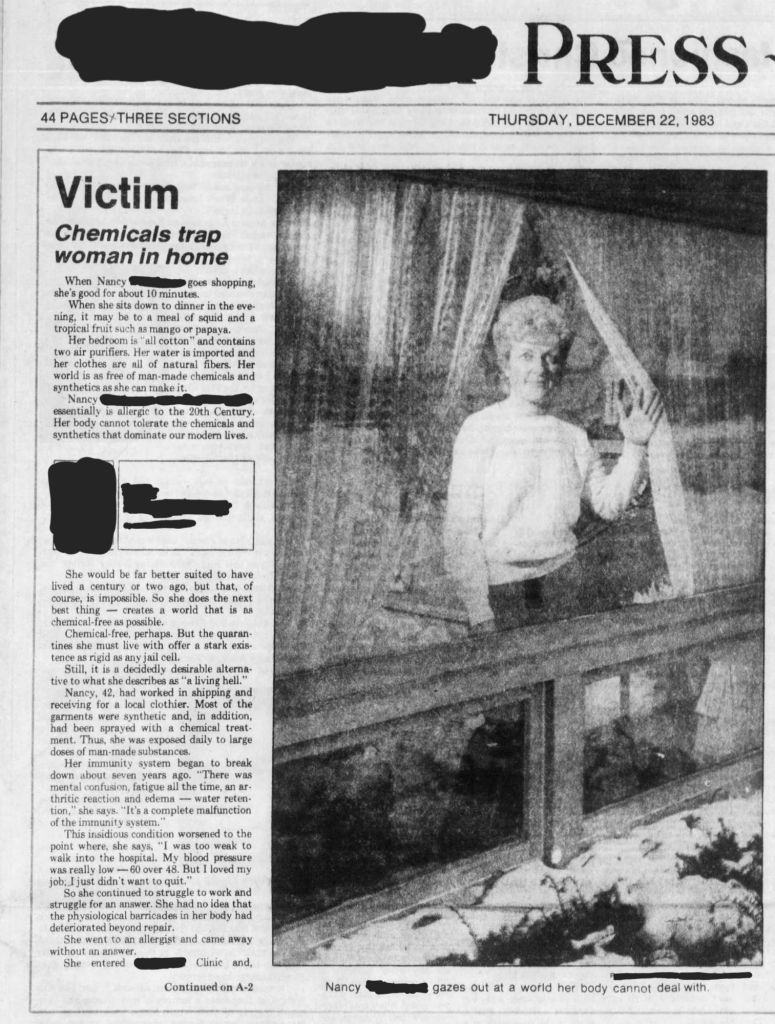
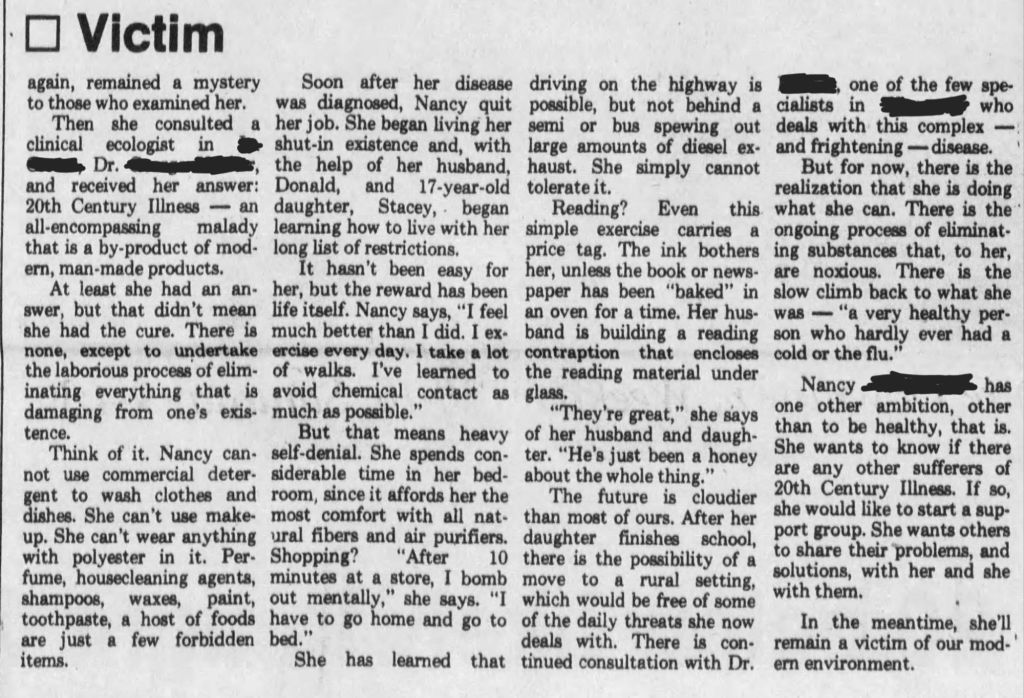
When you want to tackle an infection without antibiotics, it requires a hard-hitting approach. You must use multiple naturopathic anti-infectives, alternating them every hour until the symptoms break, then continuing to take them three-four times a day for a good week to ten days. It’s a hassle of its own kind, but one that our family and Mom’s clients found more palatable than waiting in pain for an appointment and having our immune systems challenged by over-use and side effects of antibiotics. This is especially important to people like Mom who suffer from systemic candida overgrowth and / or non-alcoholic liver disease.  In Mom’s case, long-term workplace exposure to industrial and salon chemicals destroyed her liver, immune system, and ability to tolerate other common substances like food dyes and additives, perfumes, synthetic fibers,  or household cleaning products. Today’s term for the condition is multiple chemical sensitivities. Mom  turned her home into a toxin-free haven and at its worst, she stayed inside for months on end, much like David Vetter (1971 – 1984), who became known as The Bubble Boy due to his genetic condition called Severe Combined Immunodeficiency.

Article about Mom in local newspaper, 1983
p. 2 of news article

Mom was diagnosed with only a five percent liver function in 1982 – 1983. With a compromised liver, individuals often have difficulty metabolizing drugs.  Inadequate drug excretion and persistently elevated serum drug levels can lead to drug toxicity and further damage to the liver and other vital organs (Rowden, 2023). This illustrates the importance for some people to have safe alternatives to drugs when dealing with everyday health concerns. Of course, we know that the liver is a regenerative organ that can regrow even after 90% of it has been removed (Reynolds, 2021). Mom worked tirelessly for the rest of her life to reduce further liver damage (through avoidance of toxins) and to support her body nutritionally to rebuild liver function. For her, the herbal medicine provided more than just a treatment path for everyday ailments but a total nutritional approach to feed her body the micronutrients that could support self-healing. Evidence of the efficacy of her approach is in the lab results over time. Without prescriptions, and in her own home, after leaving the hospital against medical advice in 1983, her liver enzymes and other functional lab results went from lethal levels to a partly normalized status, which allowed her to live another forty years, albeit with serious restrictions.

Using Mom’s principles and knowledge of other herbalists’ teachings, I too have successfully treated varicose veins, full-blown mastitis, mild UTIs, stomach issues, hernias, pink-eye, cuts and bruises, anemia, and many other things for myself, the kids, pets, friends, and my own clients in a perinatal clinic.  I’m not claiming any status here; it’s the opposite. The stories demonstrate that each of us can go to our own plant medicines and pick out what will help for many things without having to engage with the broken parts of the medical system for non-emergency situations.

Mom disengaged from the medical system because it reached a point where no further help could be offered for her autoimmune disease, and the experimental, “last resort” drugs were known to cause more harm than benefits. She did not live a risky existence for injuries and severe illnesses like heart disease, diabetes, or cancer, so she did not have to rely on medicine for many things, but she did occasionally need its  help, such as for thyroid medication in later life and to remove her gallbladder when it was over-wrought with painful stones. 

That is the beauty of self-directed, home-remedies as basic first-line healthcare. We can use the accessible plant medicines for the things that are less serious or beyond medical help and turn to allopathic medicine for things that do not respond to or should not be handled by home remedies.  There is a surprisingly long list of things that can be helped on our own. The two drawbacks I’ve experienced are taking herbal treatments before seeing a medical doctor, which sometimes reduces symptoms and prevents the physician from identifying the problem -or- the plant medicine is contraindicated with the proposed drugs and a decision about stopping the herbs vs. not starting the drugs has to be made. 

I spent the past several weeks combing through archival materials about ancestral midwives and found that herbal and home remedies used before the Modern era were effective for treating severe conditions beyond simple maladies. Ancestral healers treated their neighbors’ and friends’ serious issues with little more than the local plants of their regions. One midwife, an African American woman who went by Aunt Mary Ann Menard (née Labuche) (ca. 1767 – 1833) was known to use herb teas to cure people who  were beyond the  help of local surgeons. She is known for saving the life of her granddaughter, who was brutally assaulted in infancy with a resultant skull fracture and exposed area of her brain. Aunt Mary Ann covered the wound with a silver coin, nursed her through the injuries, and the child lived to her 80s. She wore a little protective cap over the hole in her skull for life (Milwaukee Sunday Journal, 1925).

Does this mean today’s medical methods are wrong? No, indeed, they’re part of a necessary, multidisciplinary approach to  sickness and wellness. Modern medicine is especially effective in dealing with acute trauma and certain well-understood diseases. But as long as there are medical mysteries, barriers to access, and extreme adverse effects of certain treatments, we need adjuncts and alternatives. The key is in knowing which things need urgent high-tech attention vs. time, comfort, and nourishment.

One of the tenets of plant medicine is that it offers micronutrients that foster the body’s ability to self-correct. I love the Voltaire quote, “The art of medicine consists of amusing the patient while nature cures the disease.” It’s also important to be clear about when to shift strategies in either direction. That’s achieved by having a planned if/then decision flow with contingency steps. If the UTI symptoms persist more than 24 hours after starting home treatments, then we will call the general practitioner. If the oncology team says they can offer only palliative measures, then we will look into plant based cures and support. If the wound is bleeding out, then we will skip home remedies and seek emergency services. If the wait for treatment is many days, then we will initiate something at home while waiting.

Of course, I come to these ideas from a standpoint of privilege;  I’ve been blessed with education, housing, sanitation, high quality herbs, health and herbal training, people who shared their knowledge, etc.  Someone with fewer resources may not have the same results. Those of us who can, should share the knowledge and resources, and all of us should have an herbal medicine kit at hand and be trained on how to use it. Stay tuned for part II, where I’ll discuss products to keep in stock at home.

—–

References

Milwaukee Sunday Journal. (1925, November 29). Woman first state “doctor”: Settlers long healed by herb remedies of Aunt Mary Ann.

Olerich, Karen. (2009). Silver shield with aqua sol technology: Are you confused about colloidal silver? A Renewed Health. Colorado Springs, CO. 

Reynolds, Susan. (2021, March 9). Cells that maintain and repair the liver identified.  NIH Research Matters. Accessed on April 15, 2024, from https://www.nih.gov/news-events/nih-research-matters/cells-maintain-repair-liver-identified#:~:text=The%20liver%20has%20a%20unique,beyond%20the%20point%20of%20repair.

Rowen, Adam. (2023, August 4). The role of the liver in drug metabolism [blog post]. Medical News Today. Accessed on April 15, 2024, from https://www.medicalnewstoday.com/articles/liver-and-drug-metabolism

What to eat

Mom used her imagination and curiosity to develop
interesting and satisfying ways of eating within her limitations ~Stacy V.

For most people, food choices are rather simple, even when special programs are being followed like the now popular “keto diet”, or its predecessors the Anabolic and Atkins diets, or even programs designed for folks with special food needs. In fact, nowadays, its growing easier to obtain one’s foods of choice, whether they are standard fair, vegan, organic, fast food, “health foods”, reduced calorie, or gluten-free items. In Mom’s case, choosing foods was not so simple; she was faced with enormous challenges due to a combination of allergies, food sensitivities, imbalances of her gut biome, and other factors. To cope with the fragile ecosystem that was her body, she followed strict eating habits for more than forty years. Those who seek resources for different kinds of food choices due to autoimmune, small intestinal bacterial overgrowth (SIBO), systemic candida, or a host of other conditions can find it difficult figuring out what to eat, what not to eat, and what to do about gaps in their food resources. Food is a foundational source of wellness, and what we put in our bodies makes a difference. The differences may not be immediately noticeable by those of us with robust health; excess consumption of sugar and carbs does not always manifest in diabetes for decades. Those with health issues like Mom’s are not so lucky. Mistaken consumption of an allergen (such as hidden sugars or dyes in packaged products) can result in immediate setbacks if not outright threats to quality of life.

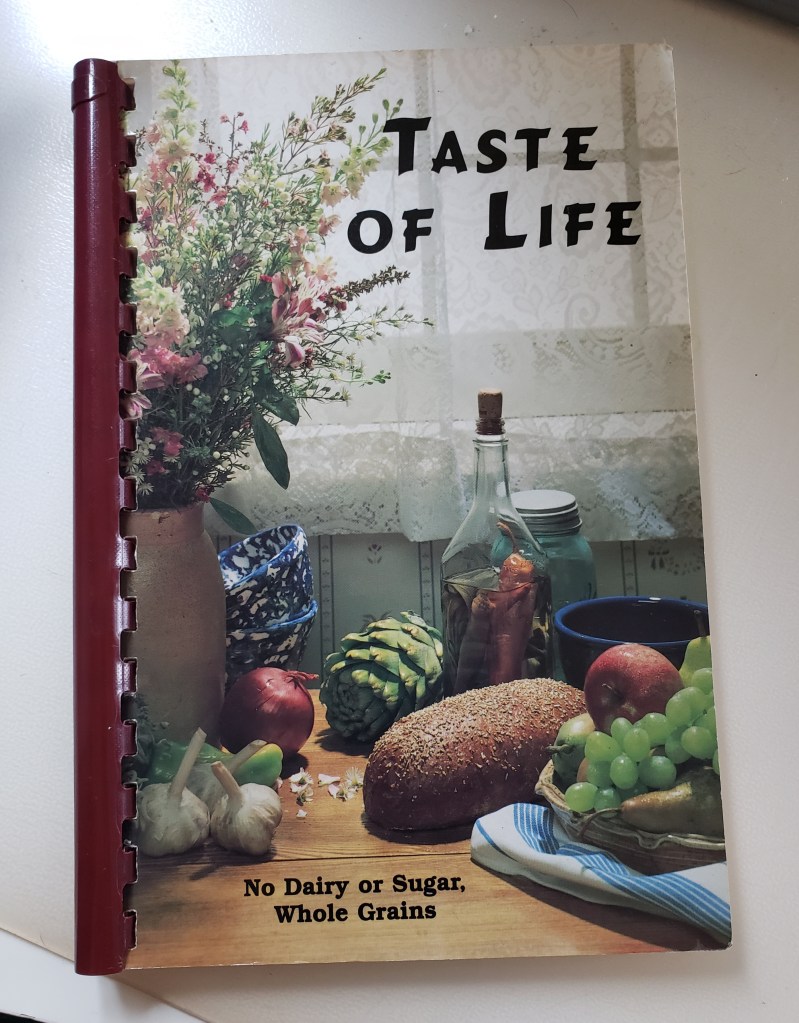
Mom used her imagination and curiosity to develop interesting and satisfying ways of eating within her limitations. In 1997 a friend of hers published a cookbook with more than one hundred tasty recipes to satisfy hunger, fill nutritional needs, and please the senses. Many of the recipes were tested out on and with my mom for flavor, texture, satisfaction, and safety (within the context of food sensitivities), and all the recipes were made from non-dairy whole grains, without added sugar, artificial sweeteners, dyes, or other additives. The recipes remained a source of inspiration and satisfying meals throughout mom’s life. The book is no longer in print, but those who are interested in the recipes may reach out by email and I will see if her friend has copies available: hello@nancyssunshine.com.

A cookbook cover, titled "Taste of Life" No Dairy or Sugar, Whole Grains.

As I began going through the pieces of Mom’s life, I found her Amazon order history where she obtained several food items that fit her special needs and provided satisfying nutrition. I hope by sharing this partial list of her safe foods, others will be inspired to try some new tasty things that you may not have thought of before. Wherever possible, Mom’s products were purchased and stored in glass rather than plastic, were certified organically grown, and had a single ingredient, rather than mixed items. She often blended single-item products to develop tasty combinations, but purchasing them in their most natural state added a layer of protection against inadvertent contamination. Of course this is not a comprehensive list of everything Mom ate or cooked with. She also ate organic proteins such as poultry, fish, some wild game meats, and eggs, as well as certain vegetables and whole grains, but no fruit.

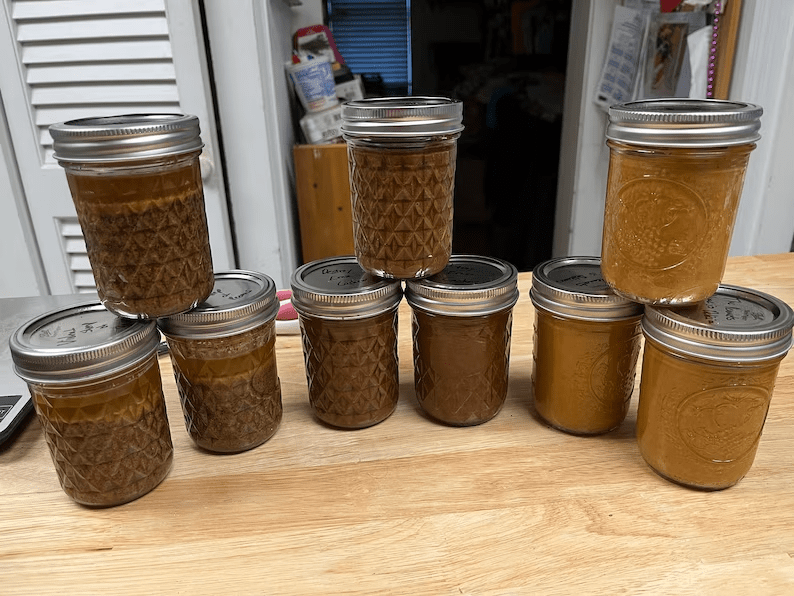
Mason jars filled with creamy nut butter.

image credit: https://www.etsy.com/shop/MeshuggahButtahs?ref=shop-header-name&listing_id=1443936258

The List (check back for updated product links)

Chickpea Products:

Nuts and Seeds:

Protein Supplements:

  • Growing Naturals Organic Rice Protein Powder
  • Growing Naturals Pea Protein Powder
  • Nuzest Clean Lean Protein – Premium Pea Protein Powder, Plant-based, Vegan, Dairy Free, Gluten Free, GMO Free, Naturally Sweetened
  • Organic 2-1 Acacia Fiber Powder (100% Acacia Senegal) & Sunfiber Prebiotic Fiber

Wheat-free, Gluten-free Cereals, Crackers, Pastas, and Breading Mixes:

  • Lovebird Gluten Free Cereal Unsweetened – Organic Grain Free Cereals Paleo AIP Dairy Free Keto Friendly No Refined Sugar
  • From The Ground Up Cauliflower Crackers – Sea Salt
  • Holgrain Onion Ring Batter Mix,
  • Holgrain Chicken Coating Mix Wheat Free
  • Banza Chickpea Pasta
  • DeBoles Gluten Free Multigrain Spaghetti Pasta
  • Eden Foods – Buckwheat Soba Pasta 100% Buckwheat Wheat Free

Herbs and Spices:

  • Frontier Co-op Orange Peel Granules
  • Litehouse Freeze Dried Poultry Herb Blend

One of Mom’s ways to cope with multiple food- and chemical-sensitivities was to rotate items so not to develop allergies through overexposure to anything that was currently considered safe for her to eat. As such, she not only rotated on the macro level, by using certain nuts, proteins, and vegetables on a given day and changing to a different food group in the following days or weeks, but she also used a micro-rotational approach that included cycling of brands and growing locations as well. For example, she might eat hazelnut butter from a U.S. source on day one, but when day three came around and she was eating hazelnuts again, she ate whole nuts instead of butter and was sure that it was sourced from a Turkish supplier; by day six, she would switch back to a butter, but using a third brand with a unique location.

These extreme methods are not possible for everyone, or even necessary for most people. The point of writing about it is to demonstrate ways that folks who are living with exceptional health situations might find ways to cope with the difficult circumstances they’ve been dealt. Mom’s positive outlook and open-hearted approach to herself, her friends, and clients helped her create a host of helpful tools to cope with a seemingly impossible condition. This is just one of many that she used and shared. I hope it will help someone in need and wish everyone a happy, healthy, and fulfilling nutrition experience!

heart shaped crystal suncatchers with prismatic sparkling light reflections.

Image credit: https://roomtery.com/products/crystal-heart-suncatcher