Herbs for Lungs and Bronchial Illnesses: Covid-19 and More

She instructed me to take thirty tablets right away, another thirty in one hour, and thirty more the following morning. I hate swallowing pills. But I did as she said, and the pneumonia finally lifted by the next evening. ~Stacy V.
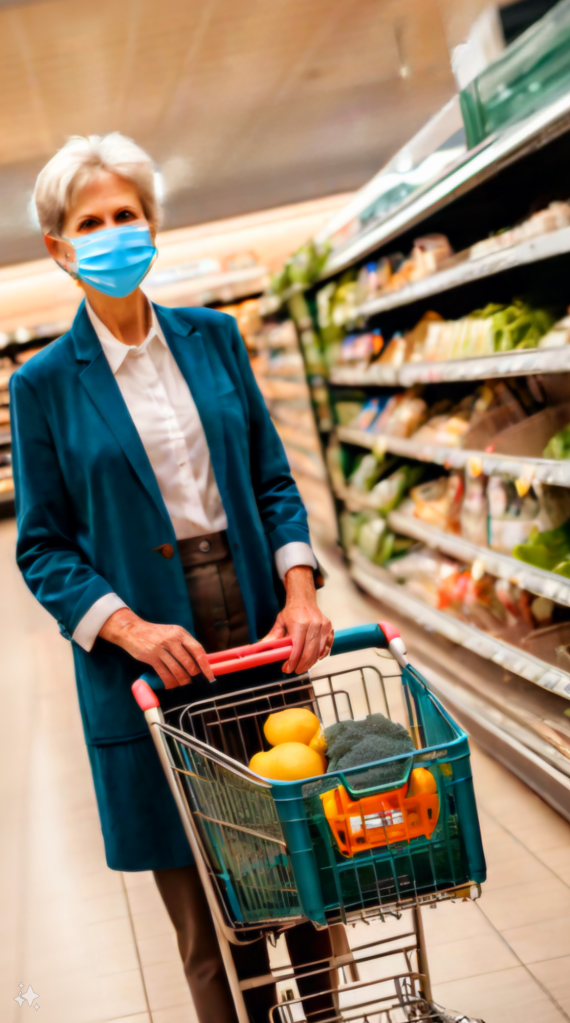
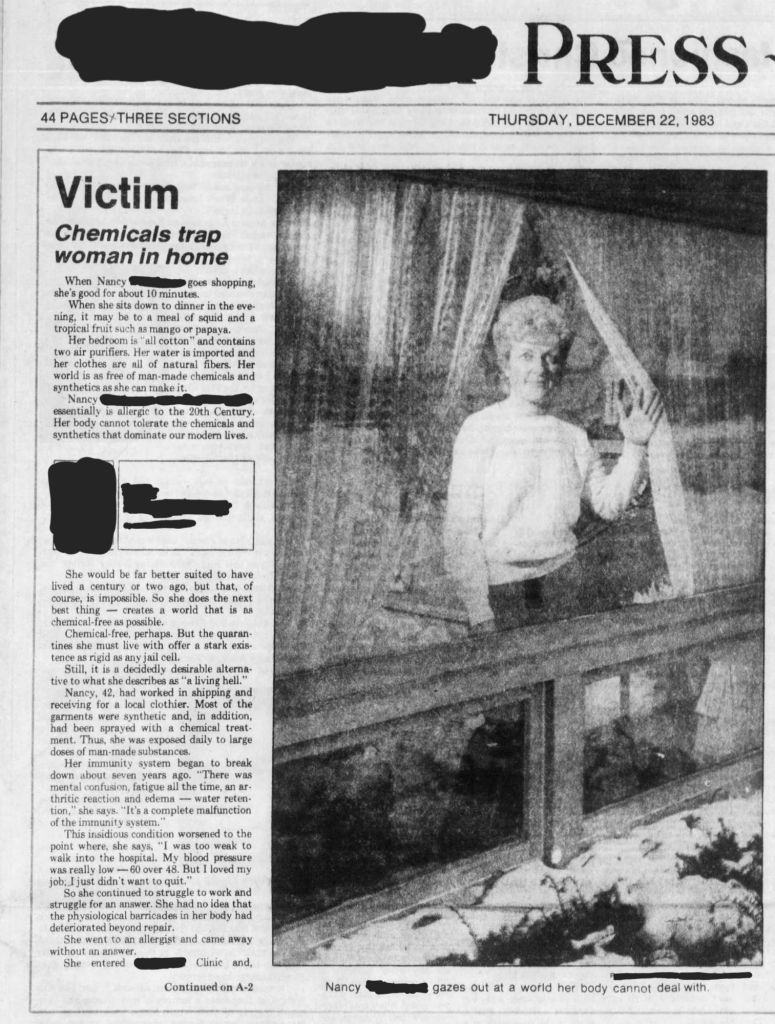
Mom has been social distancing and wearing masks, washing hands, taking her clothes off in the garage, and showering after every outing since 1983. She was possibly the first person in our community to be seen in public, wearing surgical masks. Before the pandemic, people laughed, stared at, and whispered about her in public. Little children boldly pointed and asked about her, parents shushed and turned them away. She spoke out about the invisible threat of viruses for decades before we heard much about Covid and other viruses in the news. She continually taught others about self-protection and traditional medicine ways to combat viral illnesses that do not respond to antibiotics and typical medical treatments.

Who could believe that her experience would become the norm in 2020 and beyond? Mom  learned how to survive in isolation and to heal after outings for essential services and products. She’s been un-served by the mainstream medical world, which at first didn’t believe she was sick, then attempted to treat what she supposedly “didn’t have” with experimental drugs that would have killed her. My father carried her out of the hospital in his arms, and they never went back. They thought they were bringing her home to die.

Mom found naturopathy after that. She could only eat one food at a time to discover which were tolerated and which ones triggered autoimmune attacks. Dad trapped rabbits in our suburban backyard and hunted in-season to stock our freezer with safe wild food. She sought organically grown foods before it was common, not as a political act or show of prosperity, but for survival. During the covid-19 pandemic, she held steady. Her normal day to day existence was unchanged, and she had her regular good and bad days.  She continued teaching others virtually as she had done for decades, about herbal, nutritional, and homeopathic methods to deal with the imbalances of the current world.

Mom understood all too well that the nutrients in food grown in the 2000s vs. that grown in the 1800s is depleted and not capable of sustaining health under the onslaught of harmful chemicals that exist in today’s environment. Our bodies can not sustain life under the normal, old-fashioned ways of eating. She knew that she and many others needed more than what regular food could provide. We need supplements, sometimes plant medicines, sometimes in larger that comprehensible amounts.

In my late twenties, I contracted walking pneumonia as a college student, breastfeeding mom, and a midwife’s apprentice. For thirty days, I functioned normally during the day and fell into exhaustive, uncontrollable fits of coughing every night.
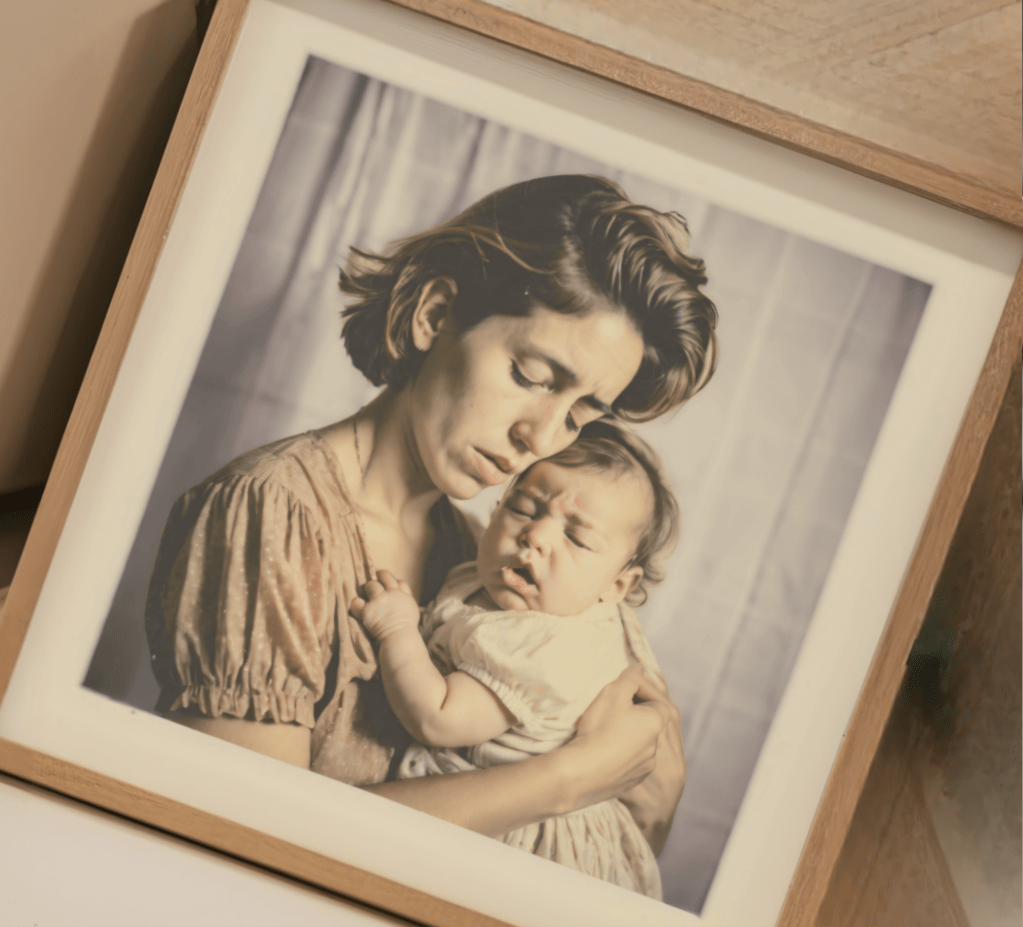
I attempted, for weeks, to self treat with herbs, vitamins, teas, and OTC products and finally called Mom in utter despair, asking what more I could do. She said, “Stac, you’re so depleted of minerals, especially potassium,” and told me to go to Kmart, get any brand of potassium, and start taking mega doses of it. She instructed me to take thirty tablets right away, another thirty in one hour, and thirty more the following morning. I hate swallowing pills. But I did as she said, slept through the night for the first time in weeks, and the pneumonia finally lifted by the next evening.

We do not often need mega doses of vitamins. It would be unhealthy to do that for long periods, but sometimes, our bodies cry out for greater help than we would normally need. It wasn’t necessary to keep taking thirty or more potassium tablets after the first couple of days, but that’s what my body needed to get over the hump. That is nutritional medicine, not simple nutrition. Certain medical organizations spread the notion that nutritional and herbal remedies do not work for COVID-19 and to not attempt them because they might cause harm. This warning was based on a lack of understanding of the virus and traditional herbalism. The recommendation was also uninformed about nutritional deficits in the contemporary diet and of the human drive to give self-care while waiting for other medical assistance.

Natural health practitioners did not have great experience with Covid-19, but neither did mainstream medicine. Likewise,  mainstream medicine did not have strong experience with the myriad viral conditions that people like my mom have learned to deal with in isolation and without medical assistance. Herbal and nutritional medicines are not proven with COVID-19, but there is a long tradition of understanding among herbalists around plants and nutrients that support lung health, immune function, and wound healing, all of which are components of Covid-19. Those medicines do help our bodies to heal and have value in the battle against Covid.

I was sick with pneumonia in February 2020; it was probably an early case of Covid-19, as we now know that Covid was present in the U.S. since November 2019. At one point, I felt hungry but could not finish eating a small meal because the energy of chewing interfered with my ability to breathe. I sought medical care, and the antibiotics offered did not help because this was a viral pneumonia, not bacterial. I used Mom’s knowledge of nutritional and herbal medicine to comfort and strengthen myself while the virus ran its course. I used a tincture of lobelia rubbed on my chest and trickled in my throat to loosen up the cough. I used homeopathic arnica to reduce inflammation in my bronchial passageway. I used Nature’s Sunshine’s VS-C, a Chinese herb combination to help my own immune system fight the virus and several vitamin and mineral supplements to sustain my strength while I couldn’t eat. Chest percussion, postural drainage, and a foam rolling broke up the tightness in my chest fascia. Eucalyptus helped my breathing and drinking copious amounts of water, juice, and broth provided sustenance.  I added ginger, lime juice, capsicum, and garlic to my broths and felt nourished.

Self-care is a strong family tradition for us. Self-care is necessary for all during pandemic conditions and into the foreseeable future. I share this humbly and will not tolerate naysayers, as this is our lived experience. Stay home, take precious care of yourself and loved ones. Wear masks when you must go in public. Be like my mom. If you or someone you care for is experiencing unmitigated physical symptoms that doctors and specialists have not been able to diagnosed, The Undiagnosed Diseases Network may be able to help you. 

The Herbal Medicine Chest Part I

“The art of medicine consists of amusing the patient while nature cures the disease.”

~Voltaire (1694 – 1778)

The thing with herbal healing that often gets overlooked is its role in providing immediate access to comfort and cures of the annoying little everyday things. How many wasted hours are spent trying to access services or controlled medications when those little rashes or styes could have been immediately addressed with the herbal medicine chest in one’s own home?

My family has always handled these kinds of things without the added stress or delay of “going in.” We keep a supply of herbal medicines for many purposes. The most significant is a group of infection fighters like golden seal, Oregon grape root, olive leaf, wild oregano oil, eucalyptus essential oil, and a patented silver nanoparticle product that has been confirmed safe by the FDA because it does not lead to the build-up of toxic silver levels in the body the way that colloidal silver does (Olerich, 2009).

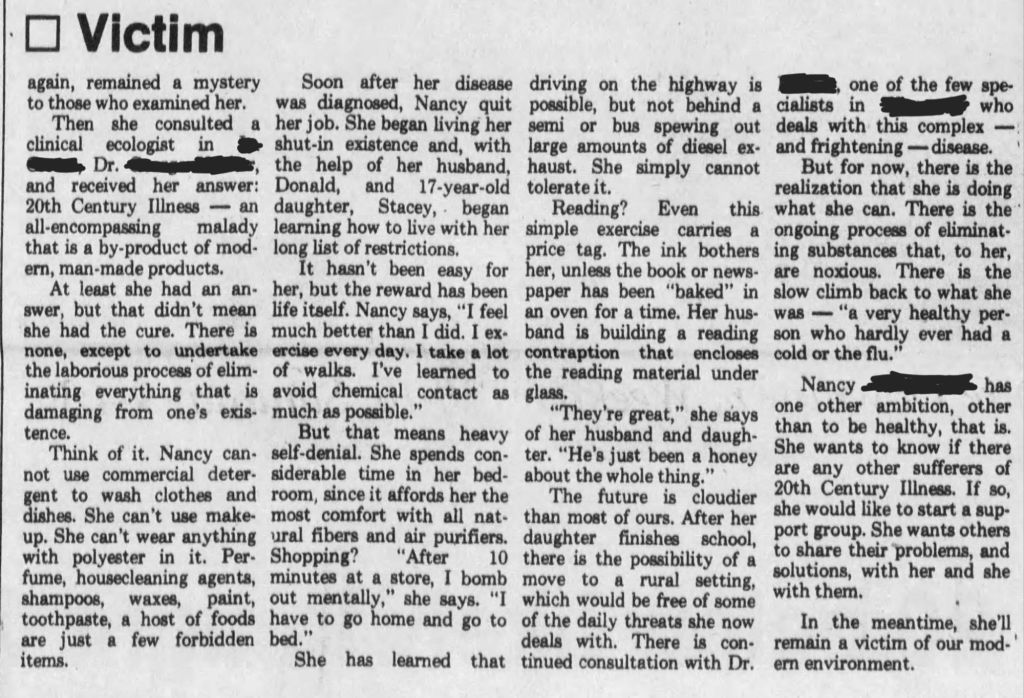
When you want to tackle an infection without antibiotics, it requires a hard-hitting approach. You must use multiple naturopathic anti-infectives, alternating them every hour until the symptoms break, then continuing to take them three-four times a day for a good week to ten days. It’s a hassle of its own kind, but one that our family and Mom’s clients found more palatable than waiting in pain for an appointment and having our immune systems challenged by over-use and side effects of antibiotics. This is especially important to people like Mom who suffer from systemic candida overgrowth and / or non-alcoholic liver disease.  In Mom’s case, long-term workplace exposure to industrial and salon chemicals destroyed her liver, immune system, and ability to tolerate other common substances like food dyes and additives, perfumes, synthetic fibers,  or household cleaning products. Today’s term for the condition is multiple chemical sensitivities. Mom  turned her home into a toxin-free haven and at its worst, she stayed inside for months on end, much like David Vetter (1971 – 1984), who became known as The Bubble Boy due to his genetic condition called Severe Combined Immunodeficiency.

Article about Mom in local newspaper, 1983
p. 2 of news article

Mom was diagnosed with only a five percent liver function in 1982 – 1983. With a compromised liver, individuals often have difficulty metabolizing drugs.  Inadequate drug excretion and persistently elevated serum drug levels can lead to drug toxicity and further damage to the liver and other vital organs (Rowden, 2023). This illustrates the importance for some people to have safe alternatives to drugs when dealing with everyday health concerns. Of course, we know that the liver is a regenerative organ that can regrow even after 90% of it has been removed (Reynolds, 2021). Mom worked tirelessly for the rest of her life to reduce further liver damage (through avoidance of toxins) and to support her body nutritionally to rebuild liver function. For her, the herbal medicine provided more than just a treatment path for everyday ailments but a total nutritional approach to feed her body the micronutrients that could support self-healing. Evidence of the efficacy of her approach is in the lab results over time. Without prescriptions, and in her own home, after leaving the hospital against medical advice in 1983, her liver enzymes and other functional lab results went from lethal levels to a partly normalized status, which allowed her to live another forty years, albeit with serious restrictions.

Using Mom’s principles and knowledge of other herbalists’ teachings, I too have successfully treated varicose veins, full-blown mastitis, mild UTIs, stomach issues, hernias, pink-eye, cuts and bruises, anemia, and many other things for myself, the kids, pets, friends, and my own clients in a perinatal clinic.  I’m not claiming any status here; it’s the opposite. The stories demonstrate that each of us can go to our own plant medicines and pick out what will help for many things without having to engage with the broken parts of the medical system for non-emergency situations.

Mom disengaged from the medical system because it reached a point where no further help could be offered for her autoimmune disease, and the experimental, “last resort” drugs were known to cause more harm than benefits. She did not live a risky existence for injuries and severe illnesses like heart disease, diabetes, or cancer, so she did not have to rely on medicine for many things, but she did occasionally need its  help, such as for thyroid medication in later life and to remove her gallbladder when it was over-wrought with painful stones. 

That is the beauty of self-directed, home-remedies as basic first-line healthcare. We can use the accessible plant medicines for the things that are less serious or beyond medical help and turn to allopathic medicine for things that do not respond to or should not be handled by home remedies.  There is a surprisingly long list of things that can be helped on our own. The two drawbacks I’ve experienced are taking herbal treatments before seeing a medical doctor, which sometimes reduces symptoms and prevents the physician from identifying the problem -or- the plant medicine is contraindicated with the proposed drugs and a decision about stopping the herbs vs. not starting the drugs has to be made. 

I spent the past several weeks combing through archival materials about ancestral midwives and found that herbal and home remedies used before the Modern era were effective for treating severe conditions beyond simple maladies. Ancestral healers treated their neighbors’ and friends’ serious issues with little more than the local plants of their regions. One midwife, an African American woman who went by Aunt Mary Ann Menard (née Labuche) (ca. 1767 – 1833) was known to use herb teas to cure people who  were beyond the  help of local surgeons. She is known for saving the life of her granddaughter, who was brutally assaulted in infancy with a resultant skull fracture and exposed area of her brain. Aunt Mary Ann covered the wound with a silver coin, nursed her through the injuries, and the child lived to her 80s. She wore a little protective cap over the hole in her skull for life (Milwaukee Sunday Journal, 1925).

Does this mean today’s medical methods are wrong? No, indeed, they’re part of a necessary, multidisciplinary approach to  sickness and wellness. Modern medicine is especially effective in dealing with acute trauma and certain well-understood diseases. But as long as there are medical mysteries, barriers to access, and extreme adverse effects of certain treatments, we need adjuncts and alternatives. The key is in knowing which things need urgent high-tech attention vs. time, comfort, and nourishment.

One of the tenets of plant medicine is that it offers micronutrients that foster the body’s ability to self-correct. I love the Voltaire quote, “The art of medicine consists of amusing the patient while nature cures the disease.” It’s also important to be clear about when to shift strategies in either direction. That’s achieved by having a planned if/then decision flow with contingency steps. If the UTI symptoms persist more than 24 hours after starting home treatments, then we will call the general practitioner. If the oncology team says they can offer only palliative measures, then we will look into plant based cures and support. If the wound is bleeding out, then we will skip home remedies and seek emergency services. If the wait for treatment is many days, then we will initiate something at home while waiting.

Of course, I come to these ideas from a standpoint of privilege;  I’ve been blessed with education, housing, sanitation, high quality herbs, health and herbal training, people who shared their knowledge, etc.  Someone with fewer resources may not have the same results. Those of us who can, should share the knowledge and resources, and all of us should have an herbal medicine kit at hand and be trained on how to use it. Stay tuned for part II, where I’ll discuss products to keep in stock at home.

—–

References

Milwaukee Sunday Journal. (1925, November 29). Woman first state “doctor”: Settlers long healed by herb remedies of Aunt Mary Ann.

Olerich, Karen. (2009). Silver shield with aqua sol technology: Are you confused about colloidal silver? A Renewed Health. Colorado Springs, CO. 

Reynolds, Susan. (2021, March 9). Cells that maintain and repair the liver identified.  NIH Research Matters. Accessed on April 15, 2024, from https://www.nih.gov/news-events/nih-research-matters/cells-maintain-repair-liver-identified#:~:text=The%20liver%20has%20a%20unique,beyond%20the%20point%20of%20repair.

Rowen, Adam. (2023, August 4). The role of the liver in drug metabolism [blog post]. Medical News Today. Accessed on April 15, 2024, from https://www.medicalnewstoday.com/articles/liver-and-drug-metabolism